 Office, craft and home improvement accessories, made by us
Beading & jewelry making
This is the aisle we are best known for: jewelry making supplies kept in counts that finish a design. Beads, the cord and wire that carry them, and the findings that close the loop.
181 bins · 1053 sizes and colours
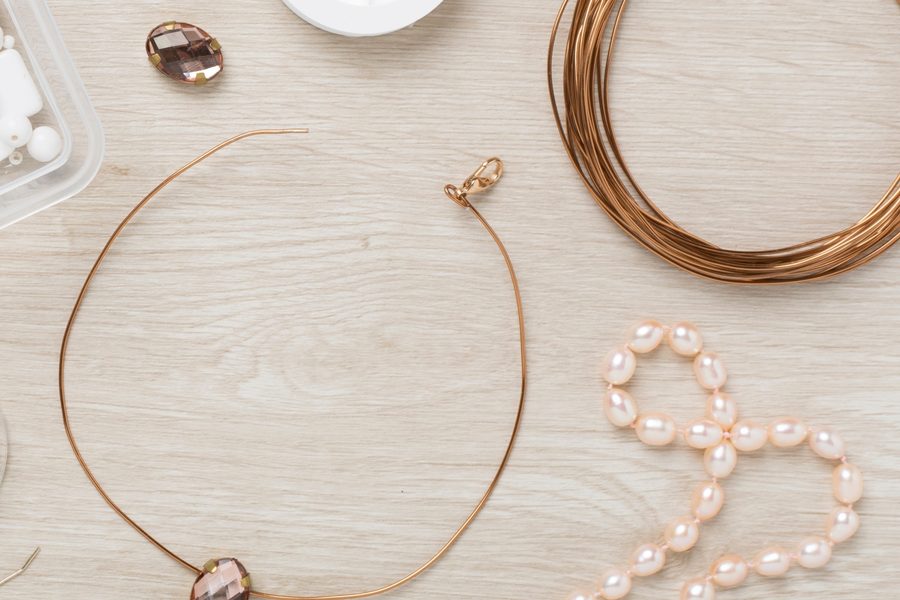
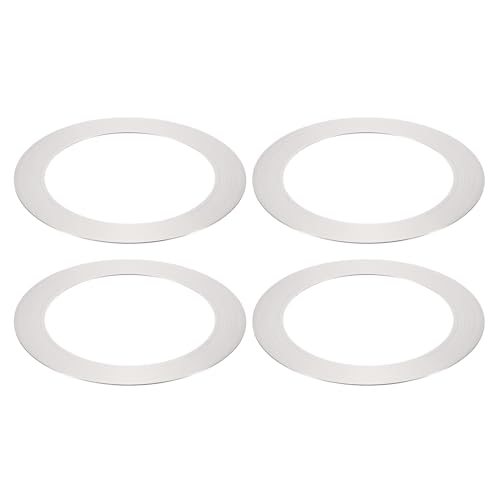 14 sizes and colours
$11.19to $42.99
Metal Flat Round Goof Plate Cover Ring Decorative Trim
4.5 388 notesLow on the shelf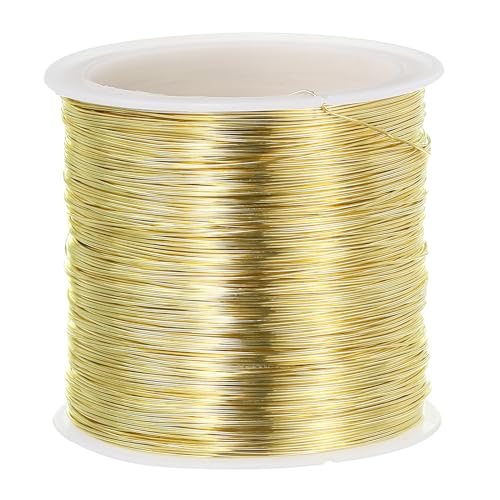 3 sizes and colours
$9.99
28 Gauge Jewelry Wire
4.5 179 notesOn the shelf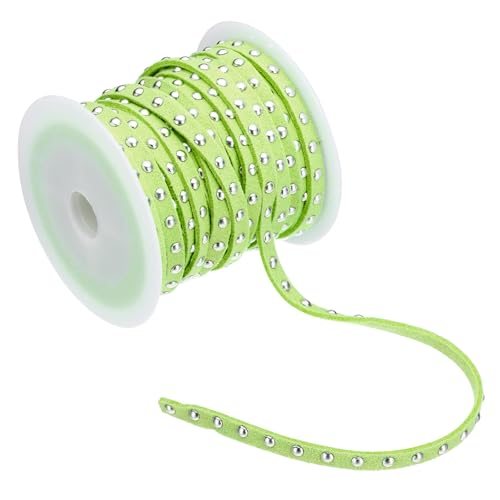 117 sizes and colours
$7.99to $15.49
5mm Micro Fibre Flat Leather Lace Beading String Ribbon
4.8 167 notesLow on the shelf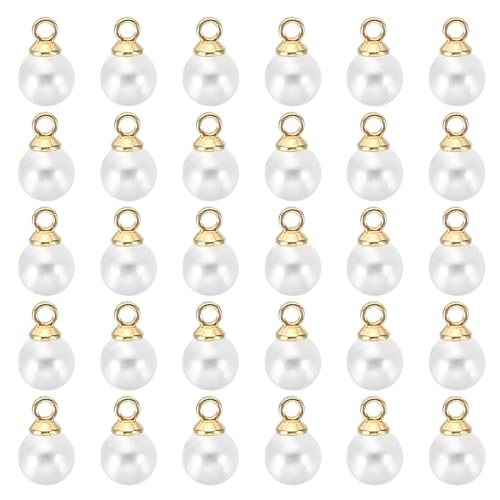 8 sizes and colours
$7.89to $9.99
6mm Pearl Charm 100Pcs Faux Pearl Pendant Charm
4.8 159 notesOn the shelf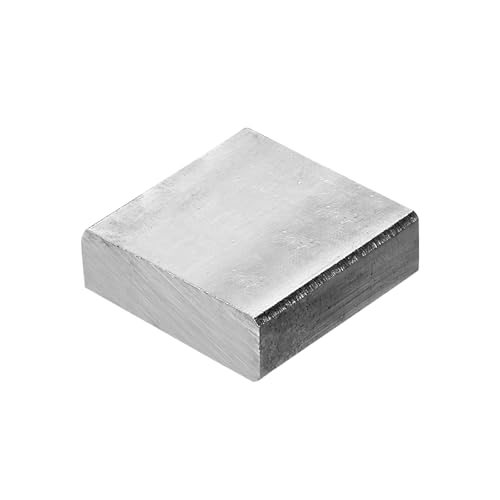
$7.29
30x30x10mm Steel Bench Block, Metal Bench Block, Square
3.6 125 notesOn the shelf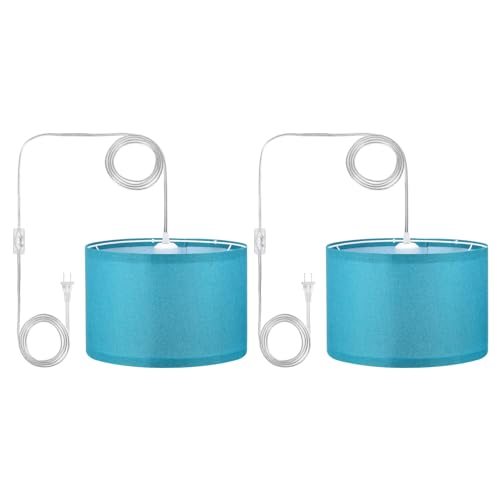 17 sizes and colours
$28.43to $33.69
Plug in Pendant Light, 2 Pack 15Ft Rope Cord Hanging Lamp Fixture
4.2 121 notesLow on the shelf
$6.49
Polymer Clay Cutters, 8 Pcs Round Clay Cutters Circle Shape Cutters
4.6 120 notesOn the shelf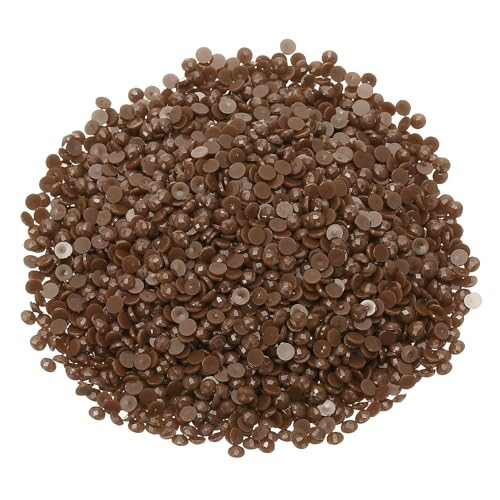 3 sizes and colours
$5.99to $6.79
Resin Crystal Painting Rhinestones Diamond Art Accessories
4.4 111 notesLow on the shelf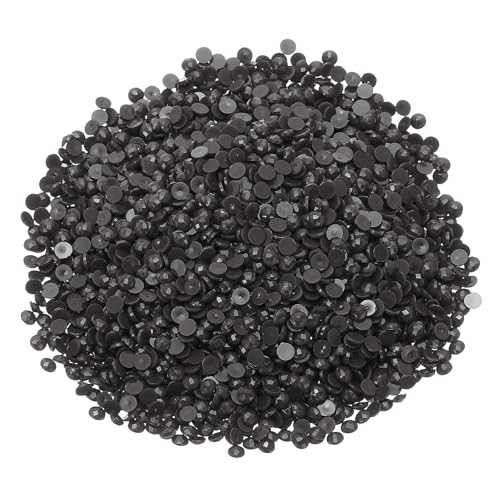
$5.99to $7.19
Diamond Art Painting Replacement Beads Black Grey 6000 Pcs
4.4 111 notesLow on the shelf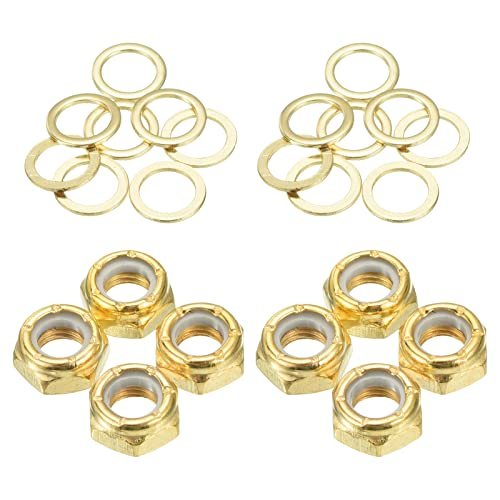 3 sizes and colours
$7.29to $9.99
Skateboard Lock Nuts Set, 2 Set 5/16 Skateboard Truck Axle Washers Spacer
4.6 97 notesOn the shelf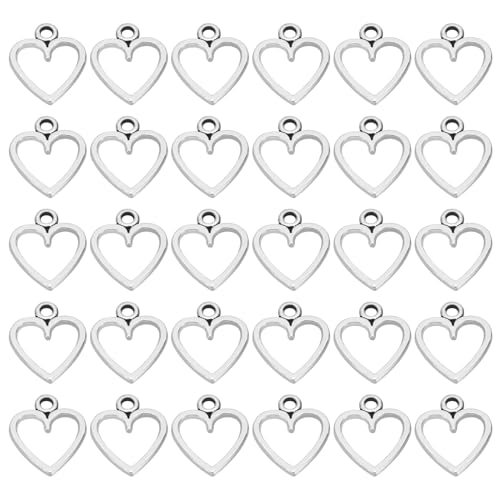
$7.99
Heart Charm, 100Pcs Mini Heart Circle Pendant Charm Bulk Metal
4.7 87 notesOn the shelf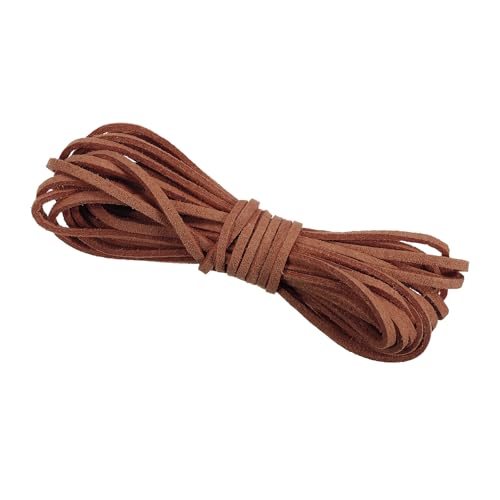
$6.59
5.5 Yardsx2.4mm Faux Suede Leather Cord Red Brown, Leather Lace String
4.1 86 notesLow on the shelf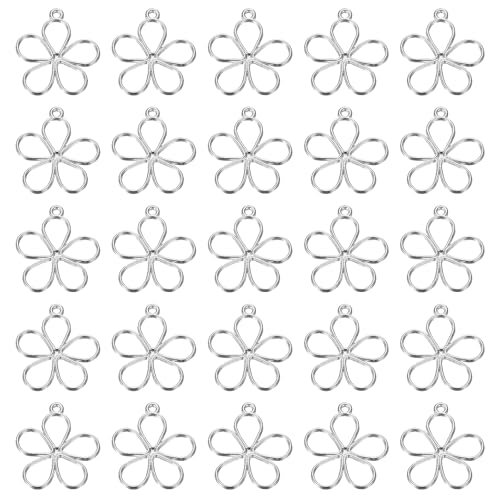
$6.19
Open Bezels, Resin Bezels Pendants Flower Open Back Alloy Hollow Frame
4.6 84 notesOn the shelf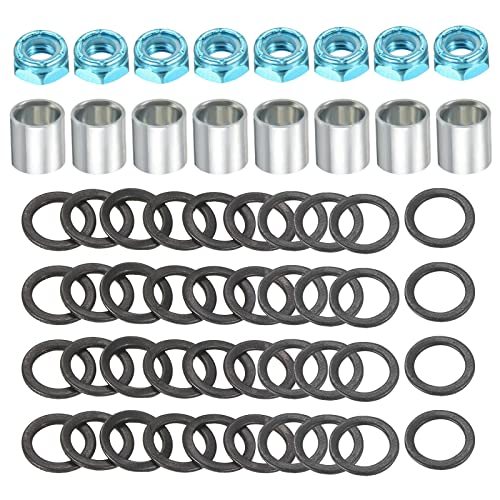
$8.39to $9.79
Skateboard Truck Hardware Kit, Skateboard Truck Lock Nuts Axle Washers
4.4 84 notesOn the shelf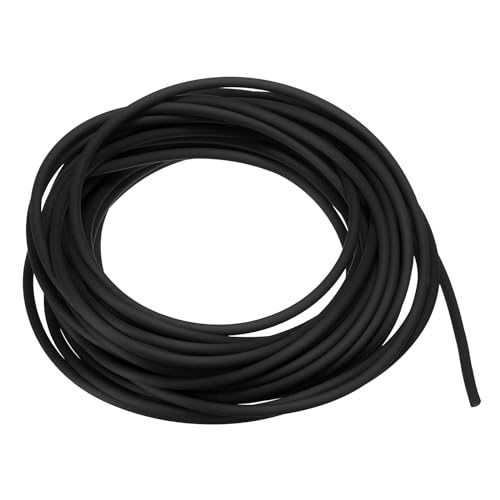
$7.09
Rubber Cord Tube, 16ft Silicone Hollow Tubing 2mm OD 1mm ID
4.0 71 notesOn the shelf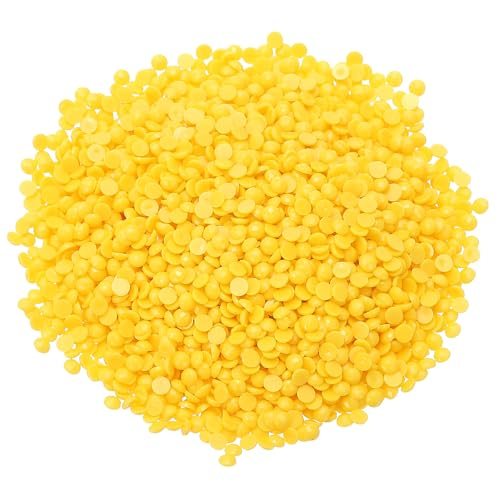
$7.49
Diamond Art Painting Replacement Beads Yellow, Resin Crystal Painting
4.6 70 notesLow on the shelf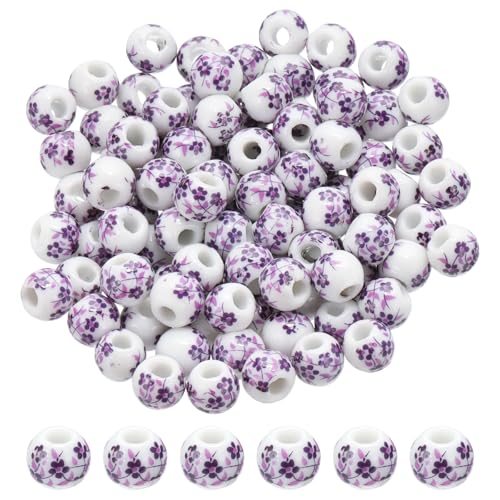
$9.99
Porcelain Beads 8mm Printed Ceramic Beads Purple, Round Flower Beads
4.8 65 notesOn the shelf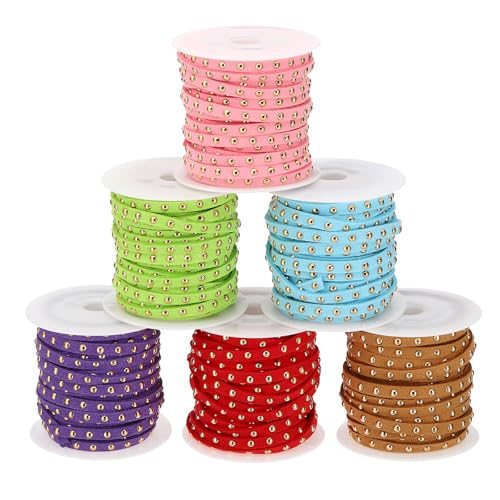 7 sizes and colours
$15.79to $24.99
32.8 Yards Studded Faux Suede Cord Rope
4.8 65 notesLow on the shelf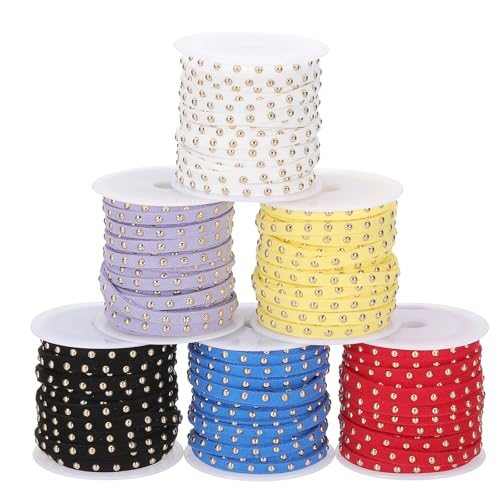 6 sizes and colours
$17.99to $35.69
32.8 Yards Studded Faux Suede Cord Rope
4.8 65 notesLow on the shelf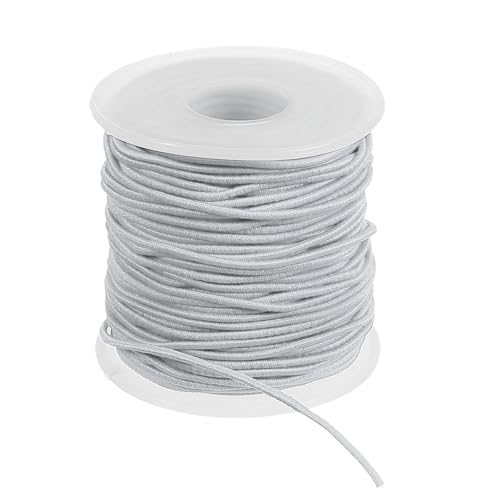
$7.64to $8.59
Elastic String for Bracelet 164 Ft/50 Meter Length 1.5 mm Dia, 1 Roll
4.4 64 notesLow on the shelf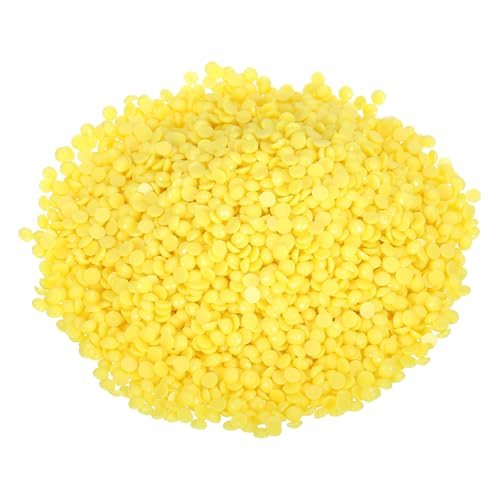
$6.29
Diamond Art Painting Beads Round 5D Diamond, Light Yellow, Art Painting
4.4 61 notesLow on the shelf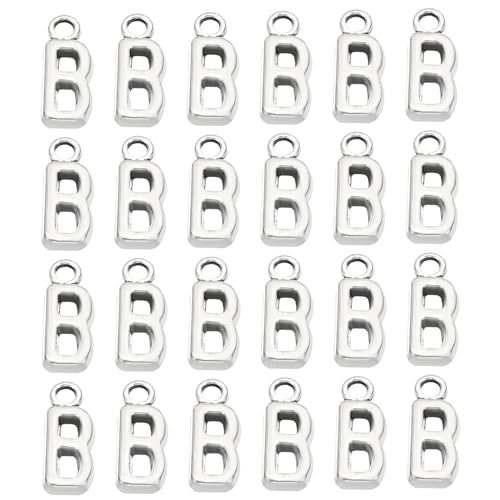
$8.19
Letter Charm 50Pcs Alphabet Initial Charm Capital B Silvery, DIY Pendant
4.7 61 notesOn the shelf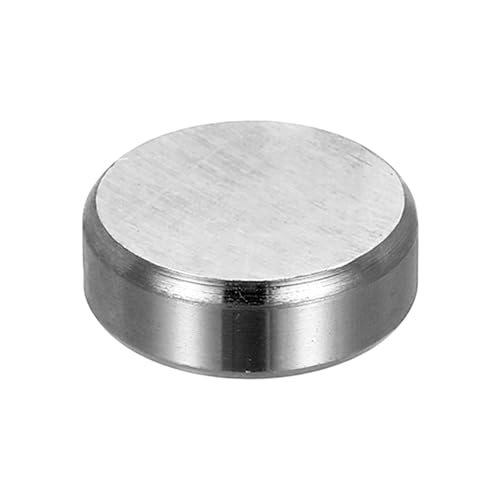
$7.29
30x10mm Steel Bench Block, Metal Bench Block, Round
3.9 59 notesOn the shelf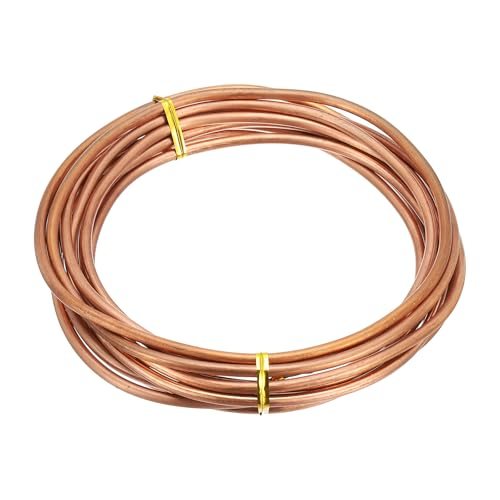
$24.19
99.9% Soft Copper Wire
4.8 59 notesLow on the shelf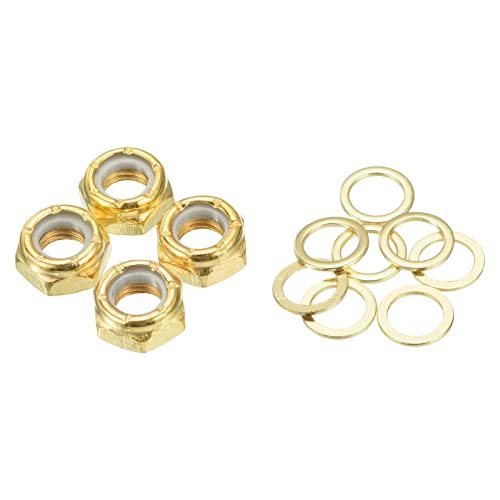 3 sizes and colours
$6.19to $6.99
Skateboard Lock Nuts Set, 5/16 Skateboard Truck Axle Washers Spacer
4.6 56 notesLow on the shelf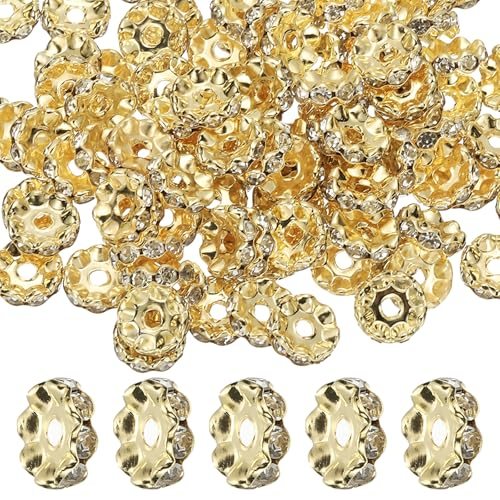
$9.59
12mm Wavy Rhinestone Spacer Beads Gold Tone, Loose Jewelry Making Spacers
4.7 55 notesOn the shelf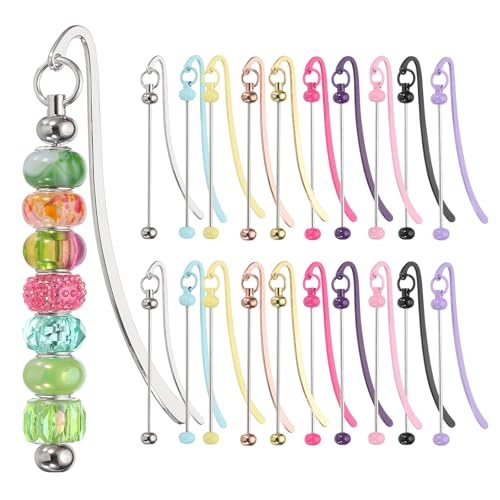
$16.69
Beadable Bookmarks, 20 Pcs Beaded Bookmark DIY Metal Blank Bar Bulk
4.4 51 notesLow on the shelf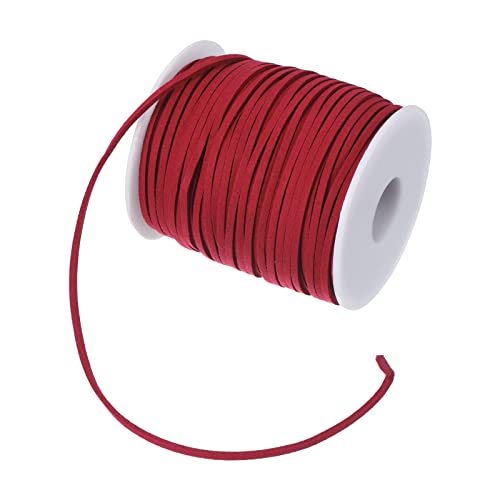
$13.29
Suede Cord with Roll Spool 3mm 50 Yard, Flat Faux Leather Lace for
4.2 49 notesLow on the shelf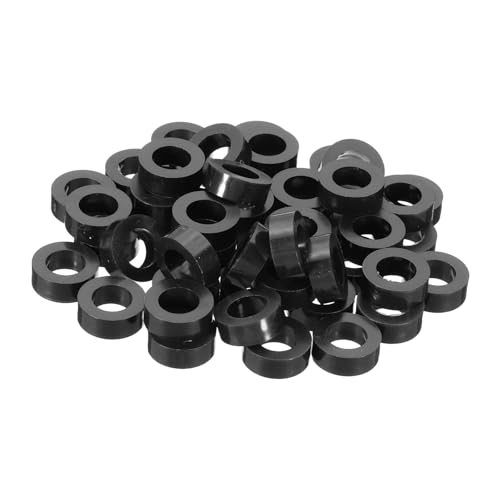
$8.69
M8 ABS Spacer 5/16" ID x 9/16" OD x 3/16" L
4.8 48 notesLow on the shelf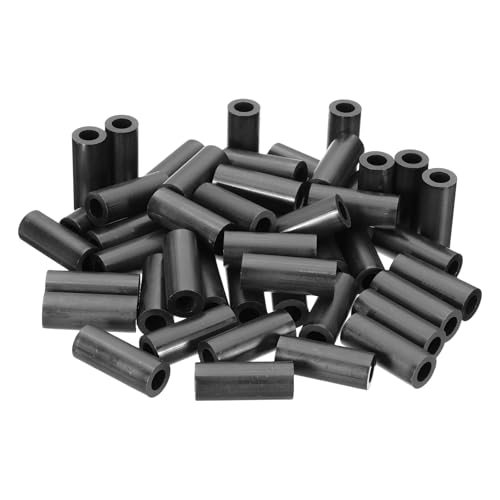
$18.29
M8 ABS Spacers 5/16" ID x 9/16" OD x 1 3/8" L
4.8 48 notesLow on the shelf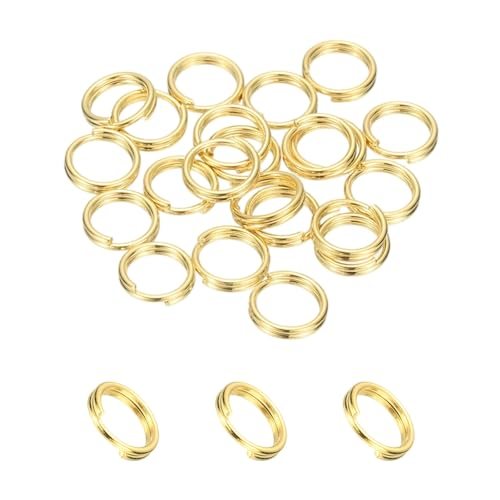
$5.19
Round Split Ring, 20 Pcs 5mm Small Split Rings
4.2 45 notesLow on the shelf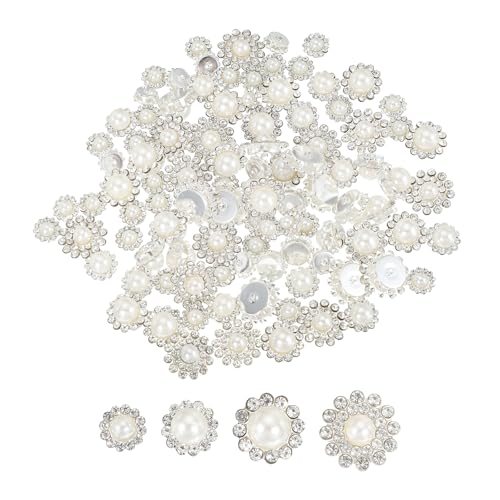
$9.99
Pearl Sew on Rhinestones Crystals 8-14mm, 3 Layers Sewing, Flower Claw
4.7 43 notesOn the shelf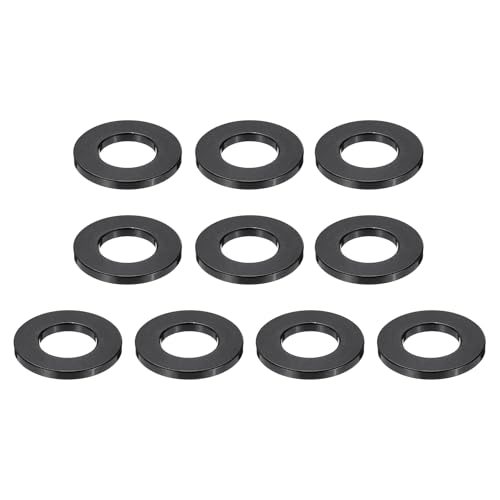 47 sizes and colours
$7.49to $23.89
M10 Aluminium Spacers 3/8" ID x 3/4" OD Round Standoff Spacer
4.5 42 notesLow on the shelf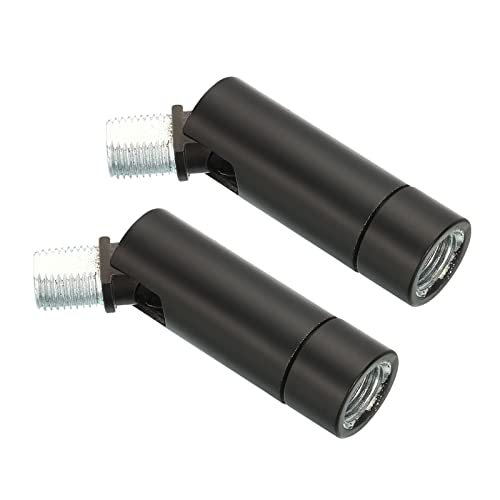 3 sizes and colours
$9.79to $9.79
Sloped Ceiling Light Adapter, 2 Pack 90/350 Degree M10 Thread Chandeliers
4.3 42 notesOn the shelf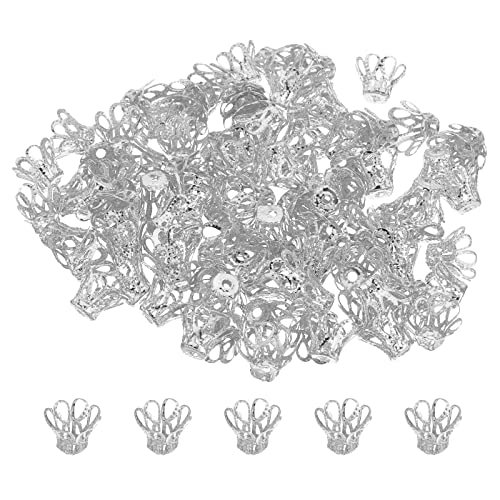
$6.99to $7.99
Flower Bead Caps, 100Pcs 11x8mm Hollow Metal Spacer Bead End Caps
4.2 41 notesLow on the shelf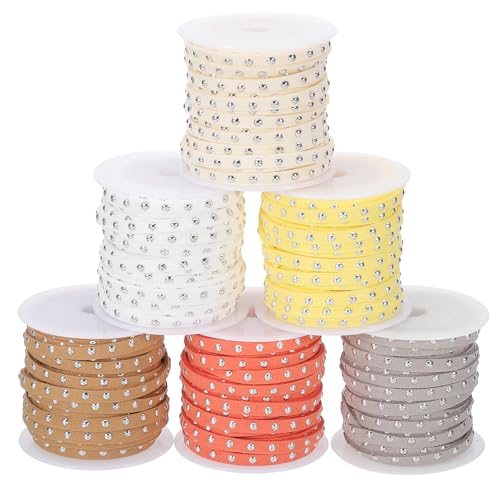 6 sizes and colours
$17.99to $36.82
32.8 Yards Studded Faux Suede Cord Rope
4.7 41 notesLow on the shelf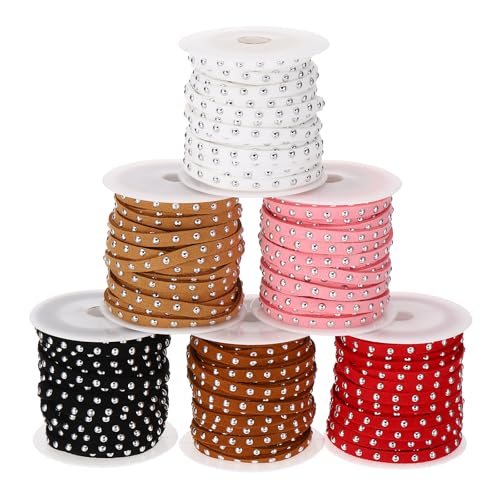 5 sizes and colours
$19.19to $24.99
32.8 Yards Studded Faux Suede Cord Rope
4.7 41 notesLow on the shelf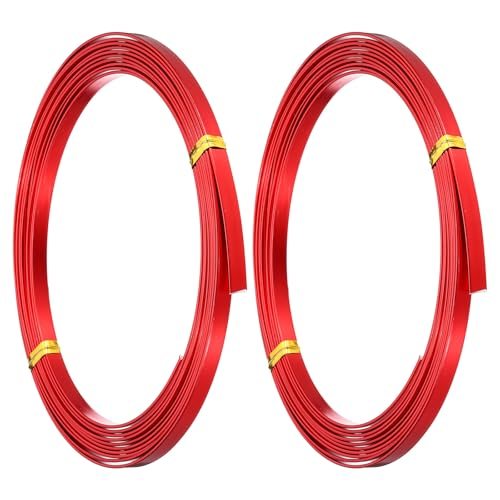 19 sizes and colours
$6.29to $13.79
18 Gauge 5mm Wide Aluminum Flat Wire 10Ft 2Roll Bendable Craft
4.5 40 notesOn the shelf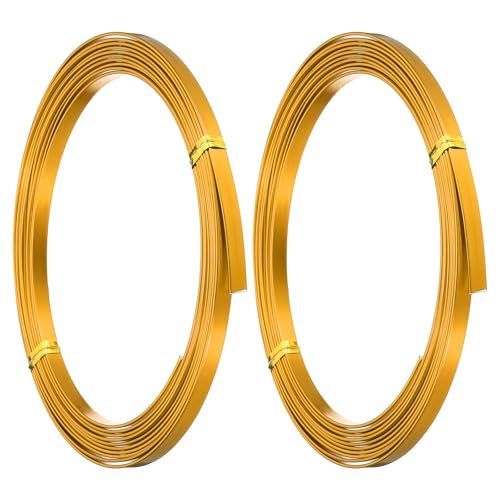 7 sizes and colours
$6.29to $13.59
18 Gauge 5mm Wide Aluminum Flat Wire 10Ft 2Roll Bendable Craft, Anodized
4.5 40 notesOn the shelf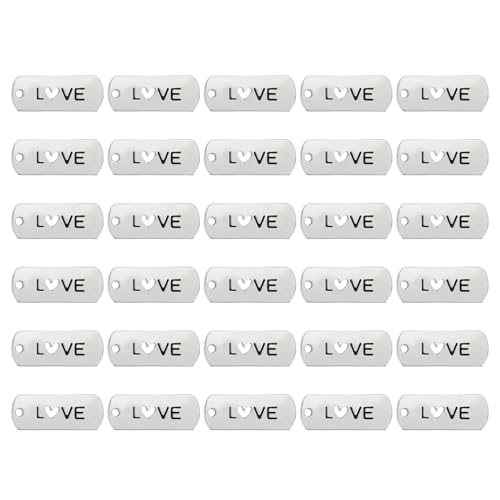
$7.49
Word Charm 30Pcs Mini Engraved Vintage Metal Pendant LOVE, Instrument
4.7 40 notesOn the shelf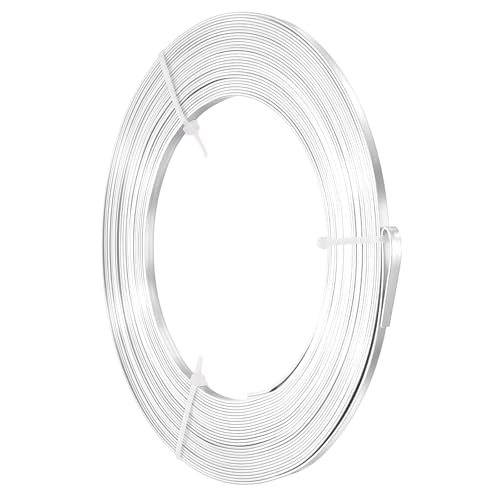 3 sizes and colours
$8.49to $8.99
20 AWG 3.5mm Wide Aluminum Flat Wire 33Ft 1Roll Bendable Craft
4.5 40 notesLow on the shelf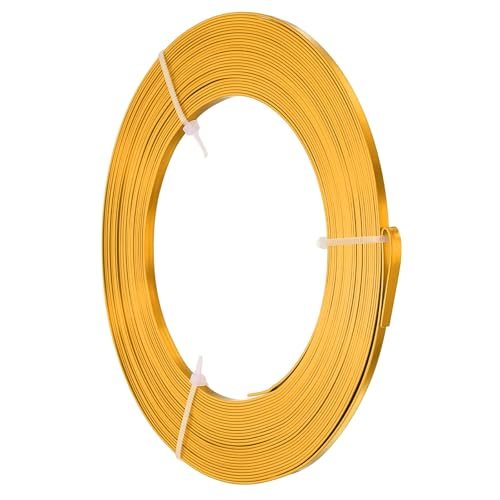 17 sizes and colours
$8.99to $15.99
Anodized Aluminum Wide Beading
4.5 40 notesLow on the shelf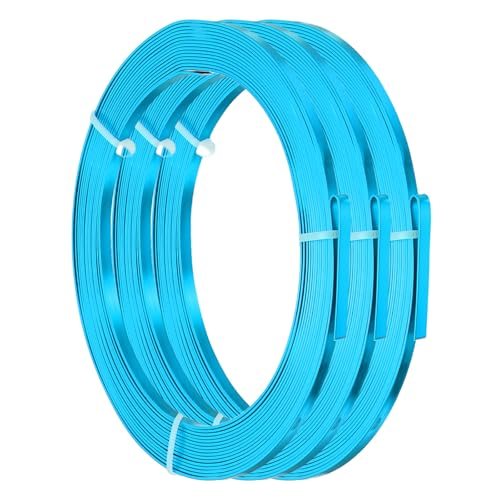 6 sizes and colours
$9.99to $13.59
20 AWG 3.5mm Wide Aluminum Flat Wire 16Ft 3Roll Bendable Craft
4.5 40 notesLow on the shelf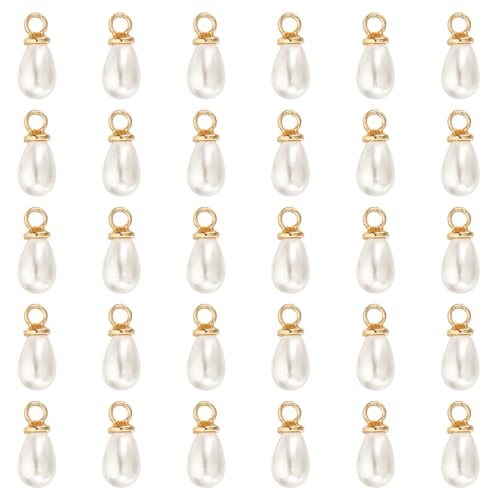
$9.59
7x5mm Pearl Charm 50Pcs Faux Pearl Teardrop Beads Bulk Gold, Pearl
4.8 39 notesOn the shelf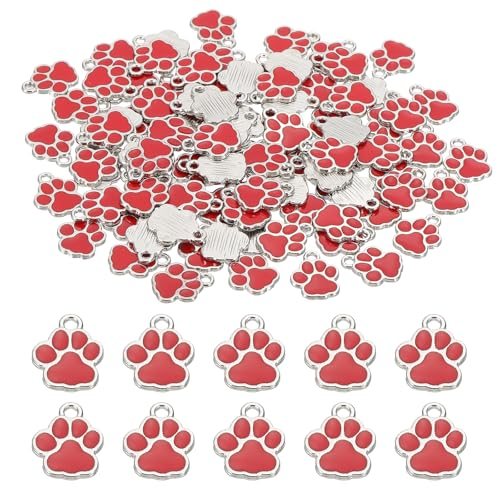
$9.99
Enamel Dog Paw Print Charms, Lovely Paw Pendant Keychain Charm
4.9 38 notesOn the shelf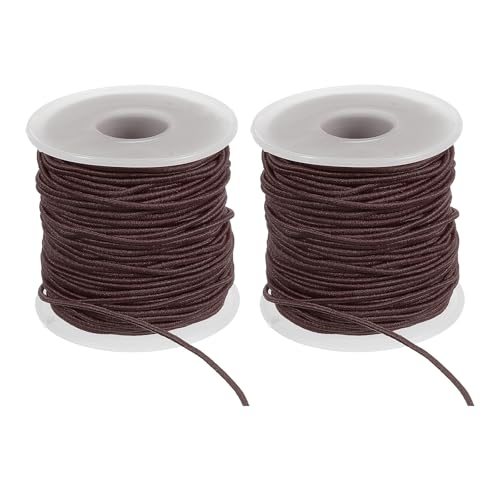
$11.99
Elastic String for Bracelet 164 Ft/50 Meter Length 1.5 mm Dia, 2 Roll
4.7 38 notesLow on the shelf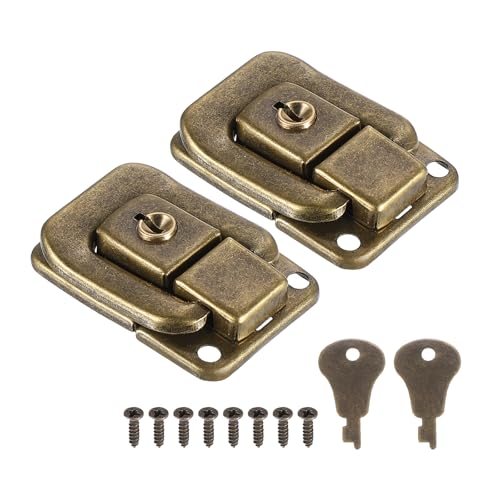 4 sizes and colours
$7.59to $8.39
Suitcase Lock Hasp 1.6" x 1.10", 2Pcs Iron Toggle Catch Lock
4.0 37 notesLow on the shelf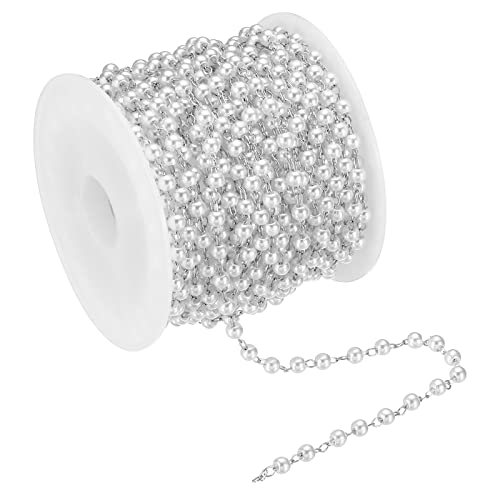
$16.59
5m/16 Feet Faux Pearl Beading Chain
4.1 37 notesLow on the shelf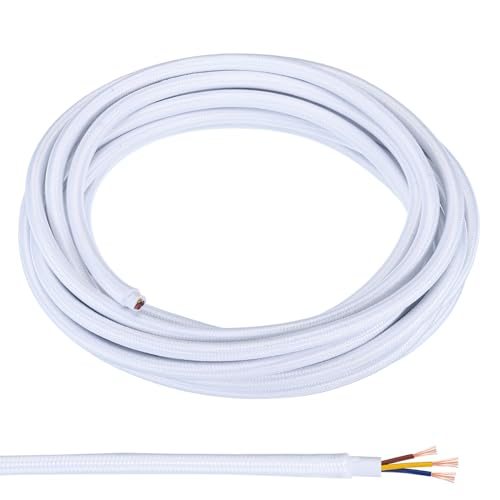
$19.09
Fabric Cloth Covered Round Wire, 16.4ft 18AWG 3 Core White, Vintage Woven
4.6 37 notesLow on the shelf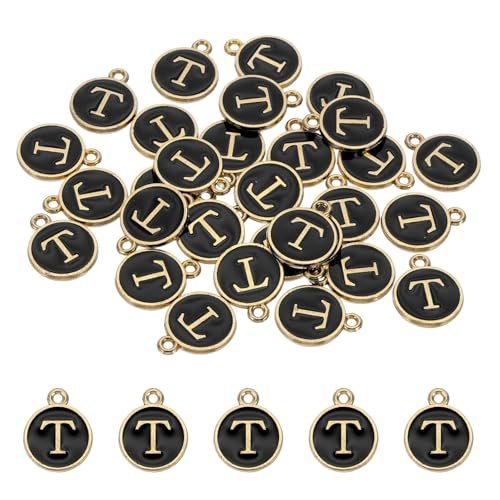
$7.29
Letter Charm, 30 Pcs Capital Initial Alphabet t Letter Charm Double Sided
4.6 35 notesOn the shelf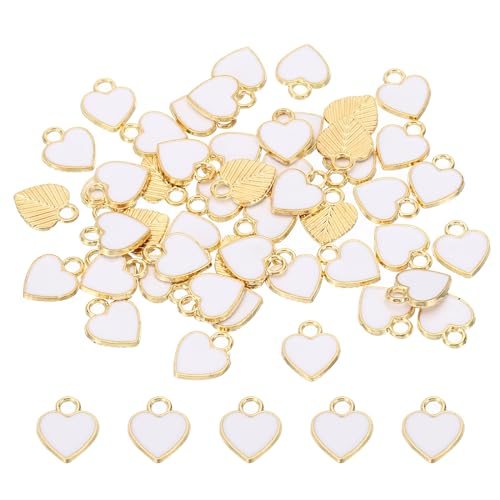
$9.99
Heart Charm, Heart Bracelet Charm Pendants Small Bulk Resin Alloy Glitters
4.4 35 notesOn the shelf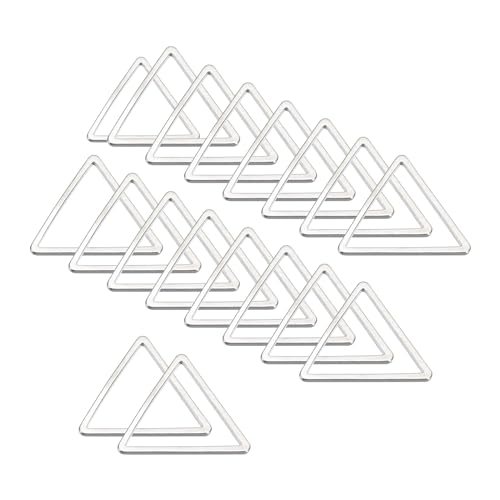 3 sizes and colours
$9.29to $10.99
Beading Hoop Earrings, Silver)
4.6 34 notesLow on the shelf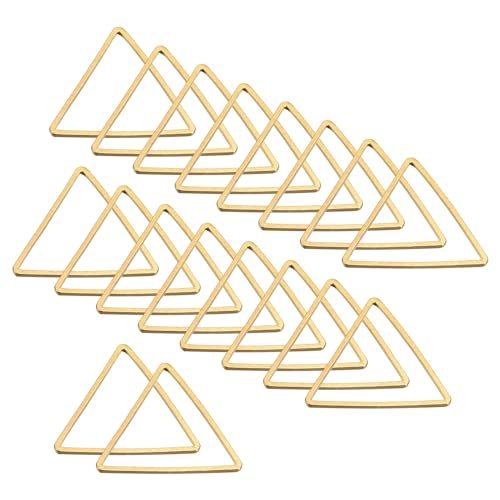
$9.99
Triangle Beading Findings 20mm Gold Hoop Earrings
4.6 34 notesLow on the shelf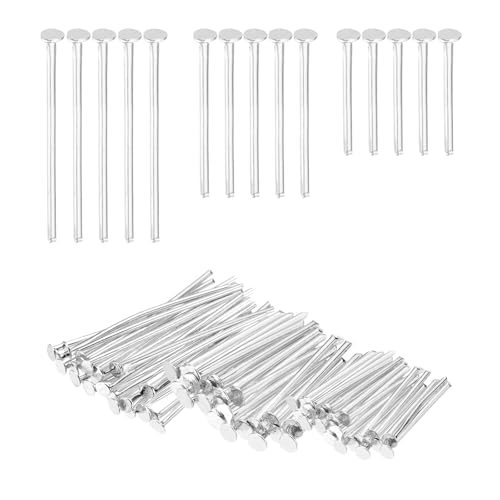 38 sizes and colours
$7.56to $14.99
0.6/0.8/1Inch Flat Head Pins Jewelry Making 600Pcs Silver Tone
3.5 33 notesLow on the shelf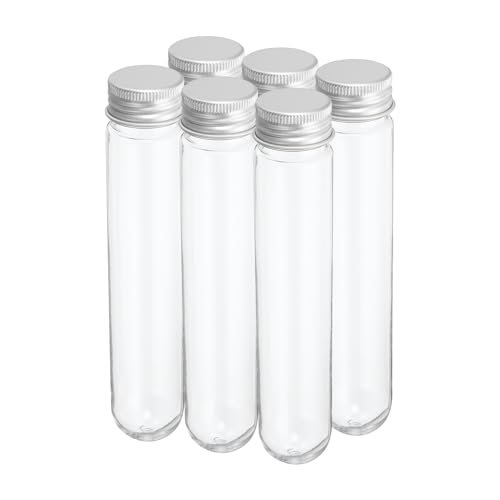
$9.99to $12.29
80ml Plastic Test Tubes
4.3 33 notesLow on the shelf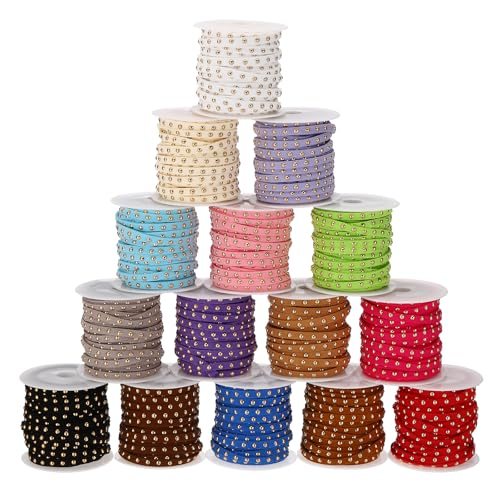
$33.89to $35.99
15 Color Studded Faux Suede Cord Rope
4.6 33 notesLow on the shelf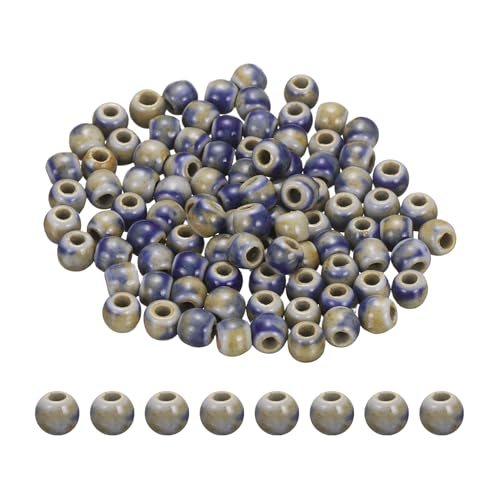 72 sizes and colours
$5.52to $12.49
Porcelain Beads, Handmade Spacer Loose Beads
4.1 31 notesLow on the shelf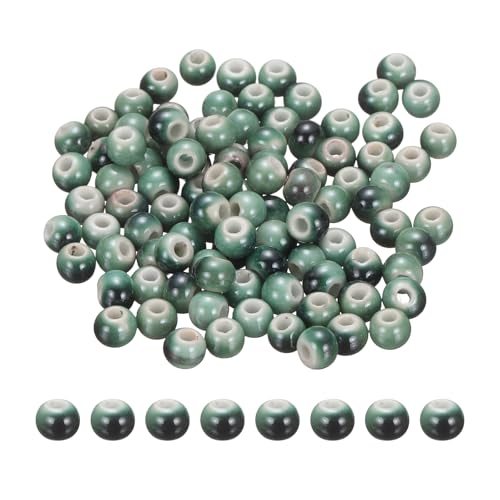 30 sizes and colours
$5.52to $9.99
Porcelain Beads
4.1 31 notesLow on the shelf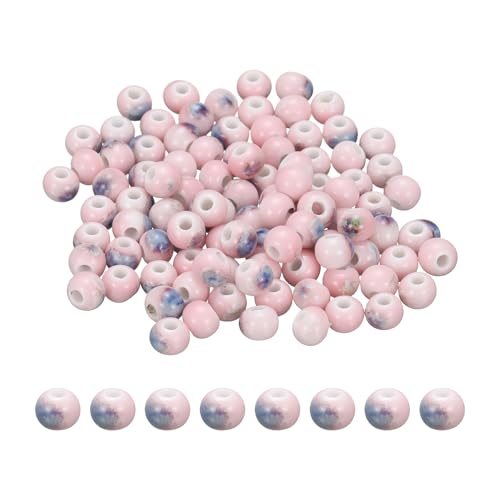 8 sizes and colours
$7.64to $9.49
Porcelain Beads
4.1 31 notesLow on the shelf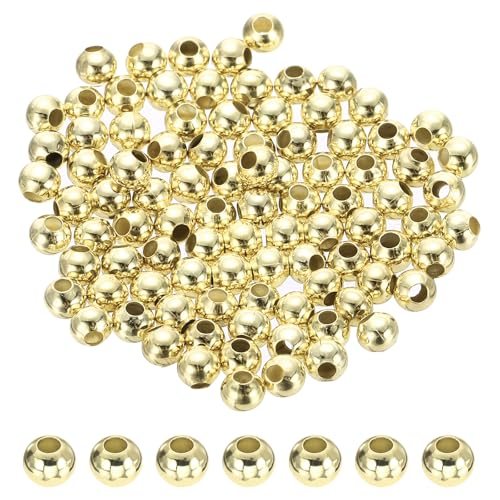
$6.19
14K Gold Filled Spacer Beads, 90Pcs 3mm Metal Smooth Round Ball Beads
4.2 29 notesLow on the shelf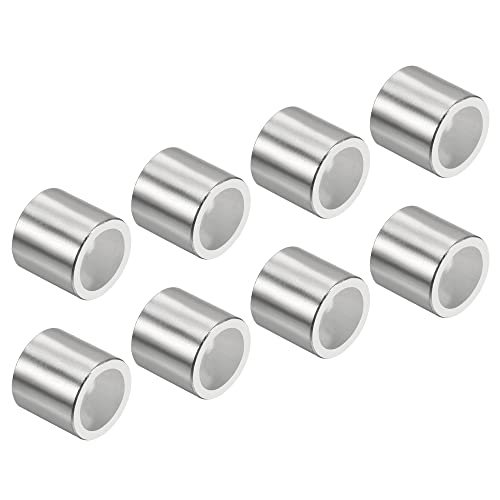
$7.79to $8.09
Inline Axle Bearing Spacers, 8 Pack Skates Speed Spacer Hardware Aluminum
4.8 29 notesOn the shelf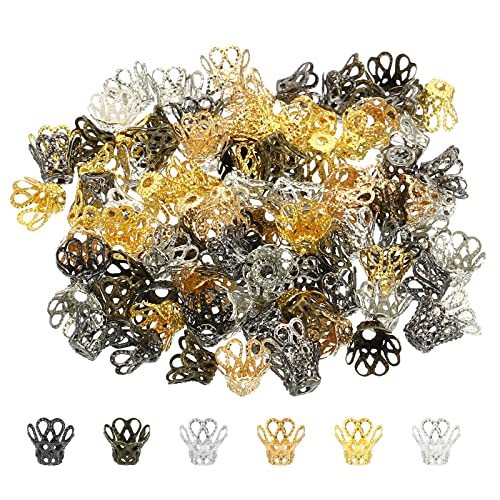
$7.99
Flower Bead Caps, 100Pcs 8x7mm Hollow Metal Spacer Bead End Caps
4.4 29 notesLow on the shelf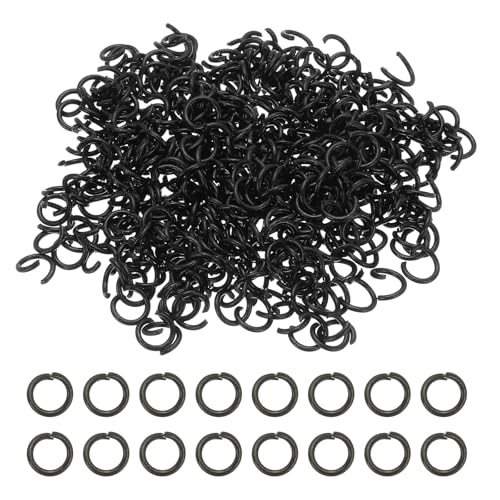
$6.79
Open Jump Rings, 400 Pcs 6mm Round Ring Charm Loops Connector
3.8 28 notesOn the shelf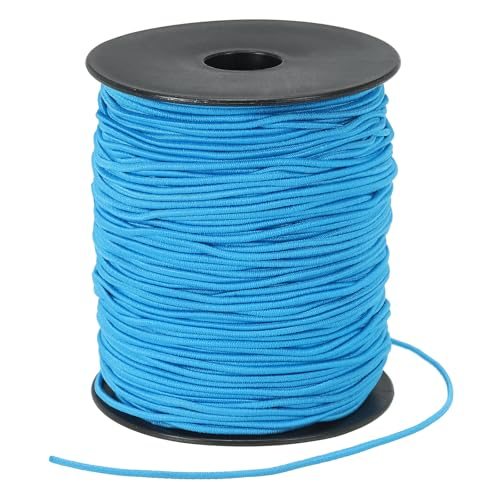
$15.39
Stretchy String for Bracelets 109 Yards / 100m, 1.5mm Elastic Cord for
4.6 27 notesLow on the shelf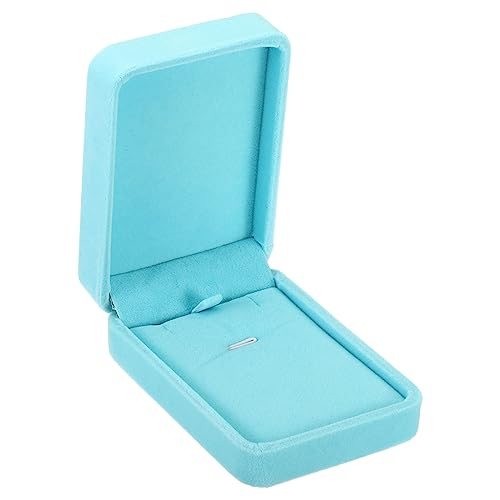 10 sizes and colours
$5.91to $9.99
Velvet Necklace Box
4.6 26 notesLow on the shelf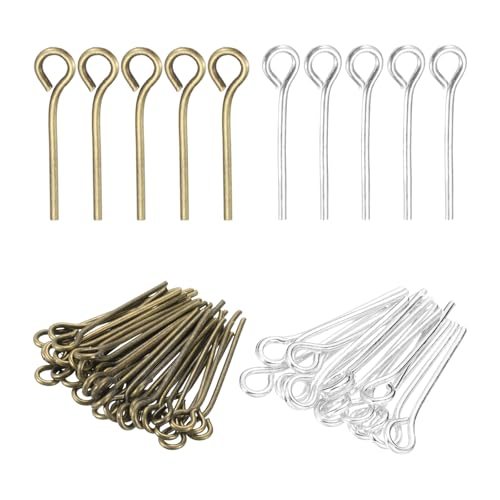 14 sizes and colours
$5.94to $8.99
0.6 Inch Eye Pins
4.2 26 notesLow on the shelf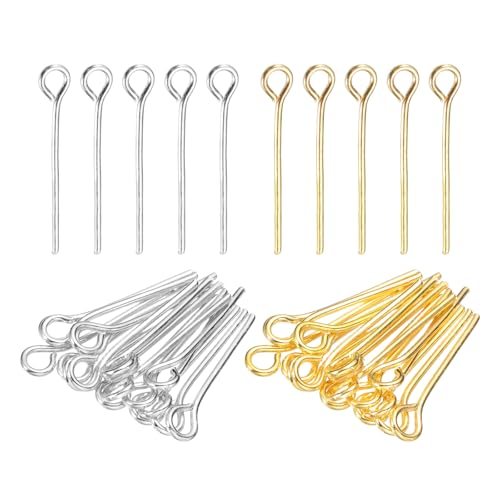 10 sizes and colours
$6.69to $9.49
Findings Bendable for Jewelry Making DIY Craft Bracelet Necklace Earring
4.2 26 notesLow on the shelf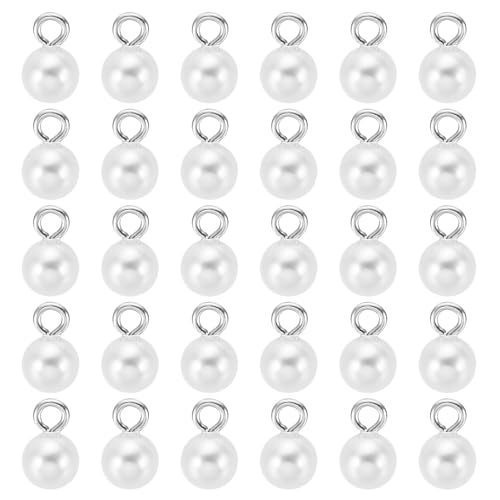
$8.49
8mm Silvery White Faux Pearl Charm, 100pcs DIY Jewelry Making Charm
4.0 26 notesOn the shelf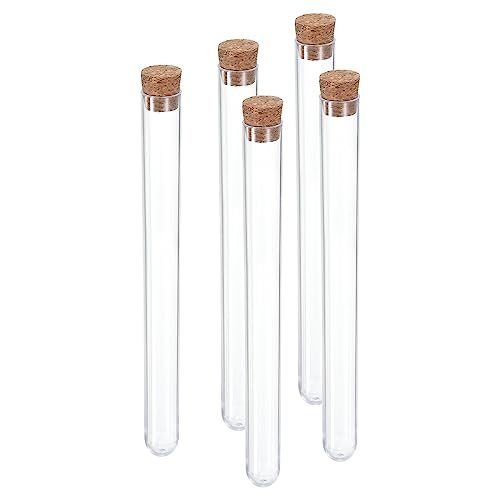 3 sizes and colours
$6.59to $9.39
PATIKIL 13ml Plastic Test Tubes
4.2 24 notesLow on the shelf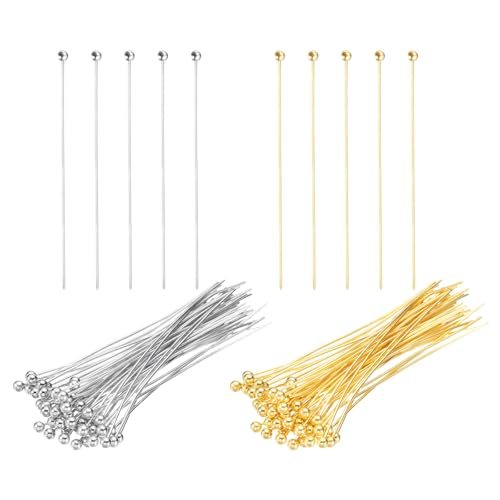 15 sizes and colours
$6.52to $11.99
1.6" Ball Pins Jewelry Making Headpins Straight Pins Findings
3.8 23 notesLow on the shelf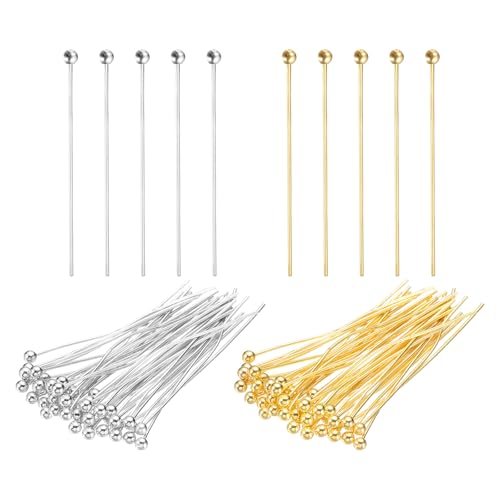 9 sizes and colours
$7.37to $11.99
1.2" Ball Pins Jewelry Making Headpins Straight Pins Findings
3.8 23 notesLow on the shelf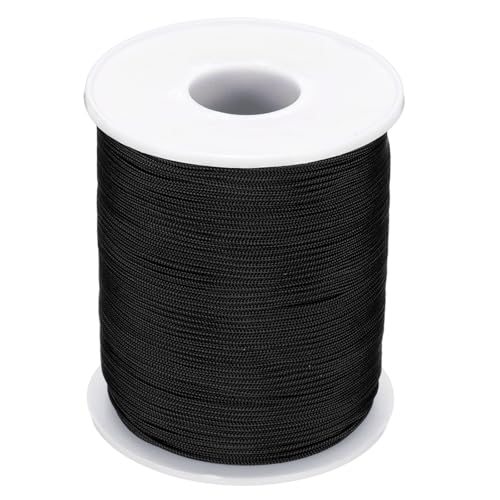
$9.99
Nylon Cord 1mm x 109 Yards Bracelet Braided String Black, Braided Nylon
4.7 23 notesLow on the shelf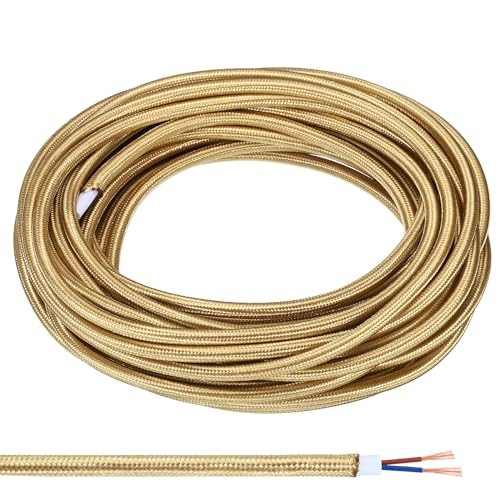
$21.29
Fabric Cloth Covered Round Wire, 32.8ft 18AWG 2 Core Vintage Woven
4.6 22 notesLow on the shelf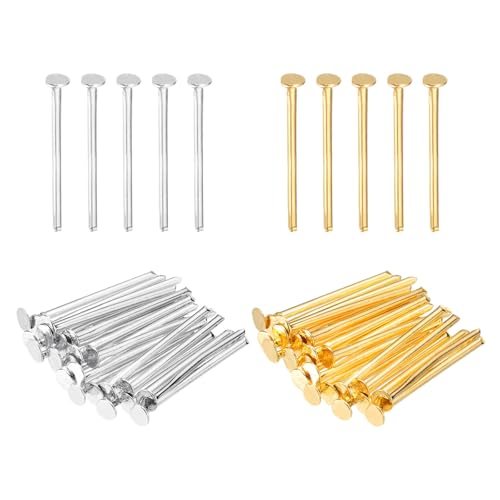 13 sizes and colours
$6.69to $9.49
Bendable, Straight Pins Findings
4.1 21 notesLow on the shelf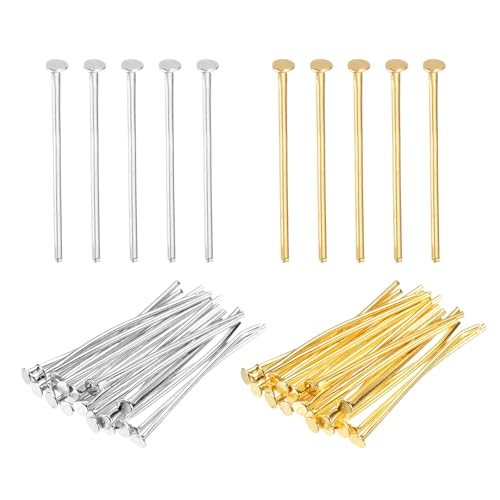 10 sizes and colours
$7.19to $9.19
Flat Head Pins 1" Jewelry Making Headpins Silver Gold
4.1 21 notesLow on the shelf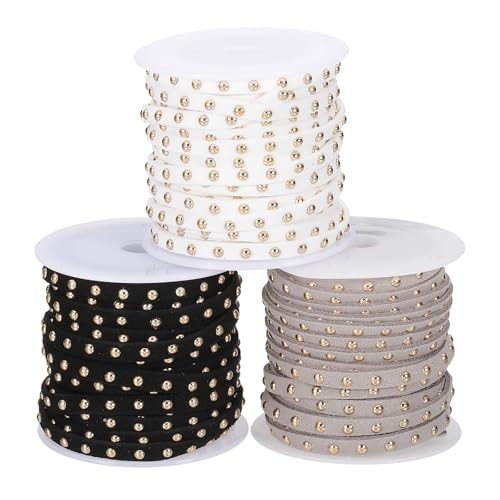 5 sizes and colours
$12.59to $14.09
50ft Studded Faux Suede Cord Rope
4.9 21 notesLow on the shelf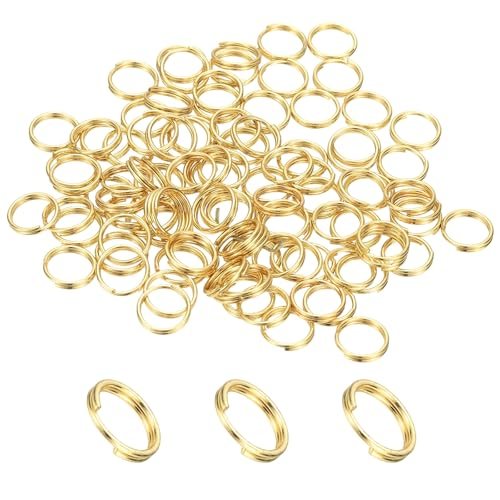
$6.79
Round Split Ring Small Split Rings w/ Double Loops 7mm Gold 100Pcs, Metal
4.4 20 notesLow on the shelf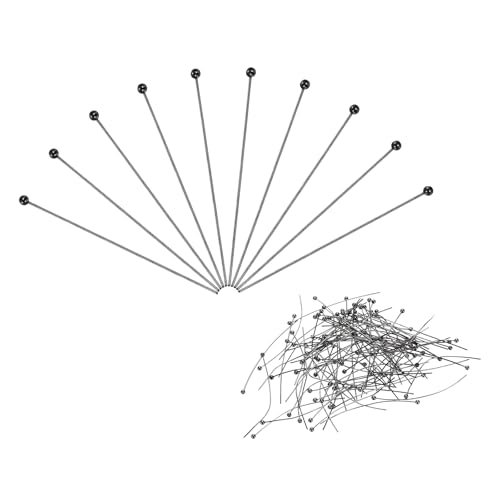
$6.89
Matte Black Ball Head Pins 24 Gauge 40mm Wire Brass, Round Ball Metal End
3.7 20 notesLow on the shelf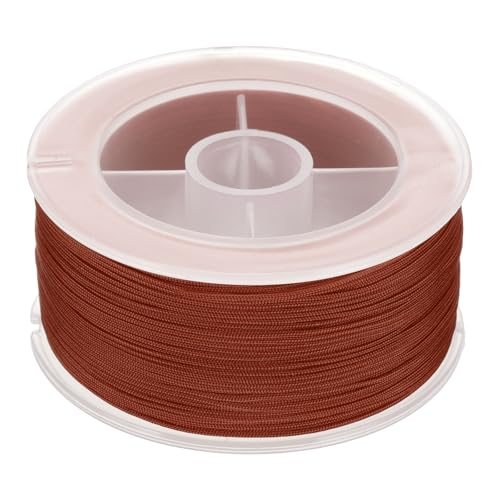
$7.28
Nylon Cord 0.8mm x 71 Yards Bracelet Braided String Light Brown, Braided
4.7 20 notesLow on the shelf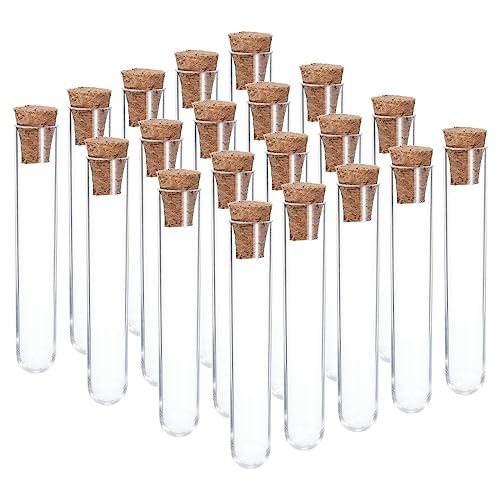
$7.39to $7.79
5ml Plastic Test Tubes
4.1 20 notesLow on the shelf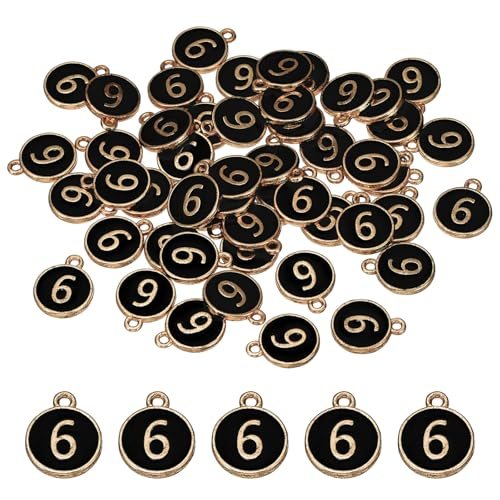
$9.19
6 Number Charm, 50 Pcs Double Sided Number Charm Pendants
4.4 20 notesOn the shelf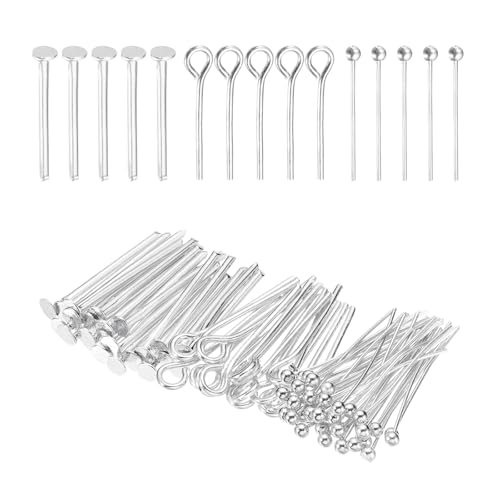 17 sizes and colours
$7.22to $13.29
Flat Head, Ball Head Pins, Eye Pins Findings
3.5 19 notesLow on the shelf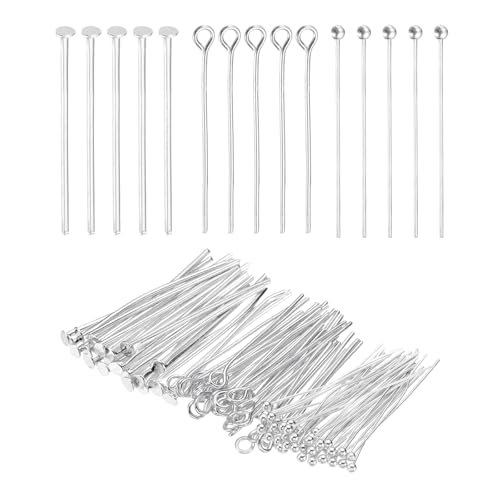 14 sizes and colours
$8.07to $13.49
Head Pins Set for Jewelry Making 3 Styles 1.18" Silver Tone
3.5 19 notesLow on the shelf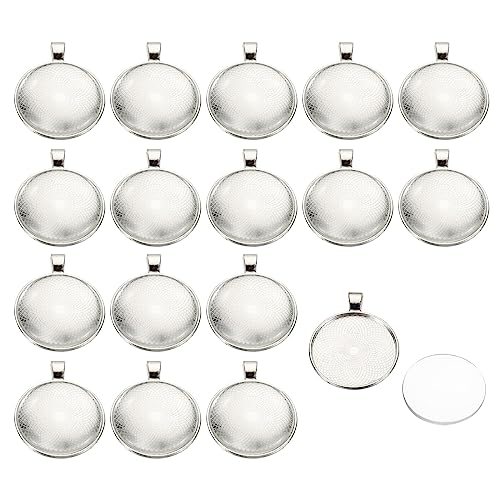
$20.39
30mm Silver White Photo Pendant Trays, 30 Sets, Modern
4.2 18 notesOn the shelf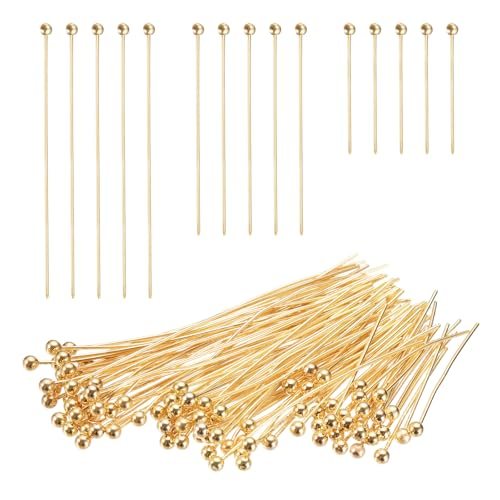 15 sizes and colours
$8.72to $12.99
Straight Pins Findings
3.0 17 notesLow on the shelf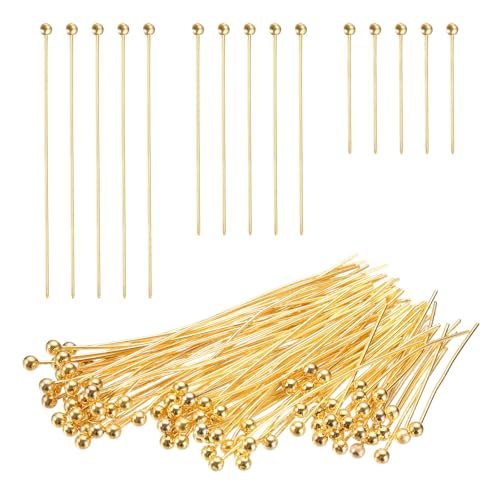 6 sizes and colours
$8.72to $12.99
Ball Pins 0.8/1.2/1.6" Jewelry Making Headpins Gold Tone
3.0 17 notesLow on the shelf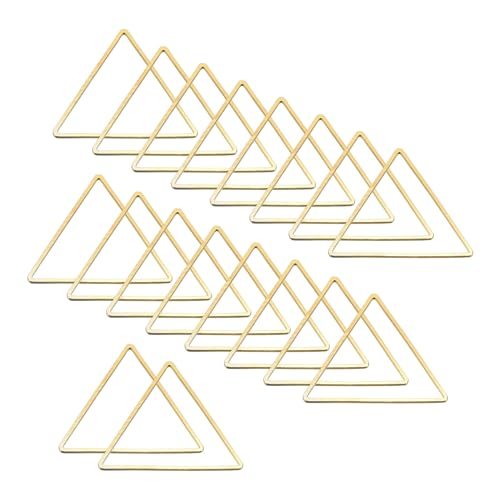
$9.29
Beading Hoop Earrings, 30 Pcs Triangle Beading Findings Copper Hoop
4.3 17 notesBack shortly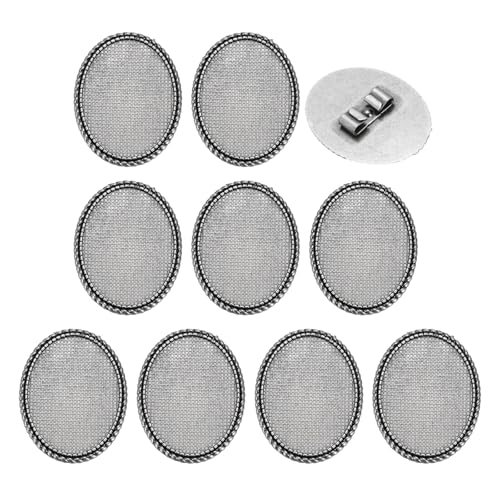
$12.79
Bolo Tie Buckle, Oval Blank Bolo Tie Slide Clasp Accessories, Vintage
4.5 17 notesOn the shelf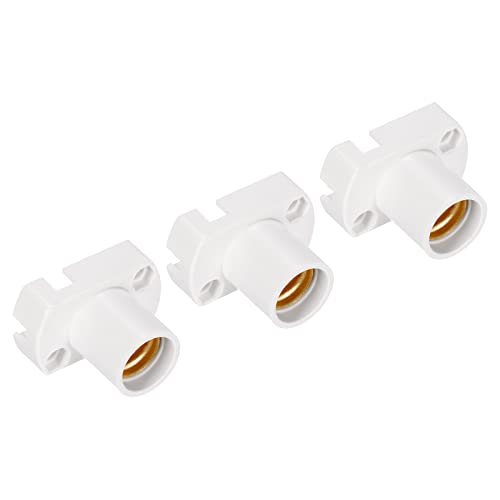 3 sizes and colours
$9.49to $9.99
Screw-in E12 Mini Bulb Holder, White
3.9 16 notesLow on the shelf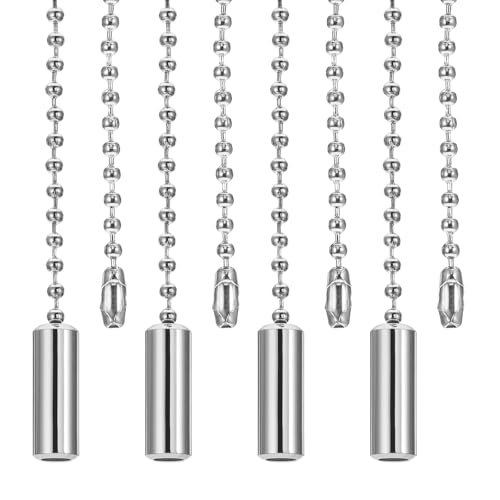 3 sizes and colours
$9.99to $13.99
1M 3.3ft Ceiling Fan Pull Chain, 4 Pcs Beaded Pulls Cord Extender
4.9 16 notesOn the shelf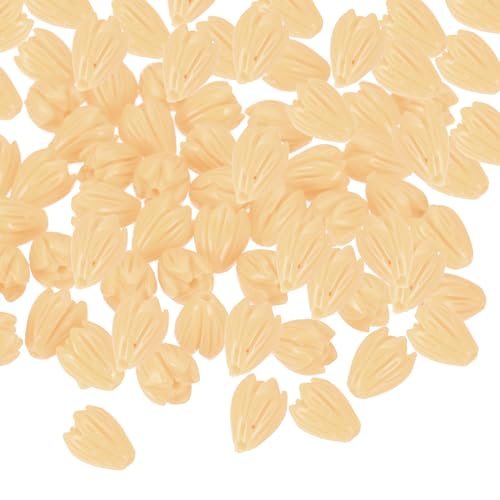
$13.49
Apricot Coral Flower Beads 9x7mm Artificial Jasmine, Flower Shell Floral
4.2 16 notesLow on the shelf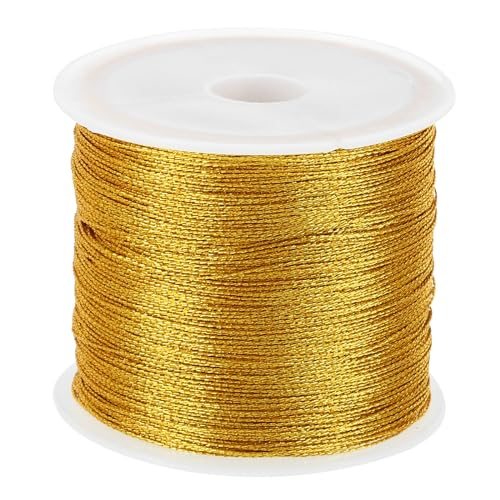
$7.89
100m/109yards Metallic Cord, 1 Roll 0.3mm Dia Tinsel Ornament String
4.3 15 notesLow on the shelf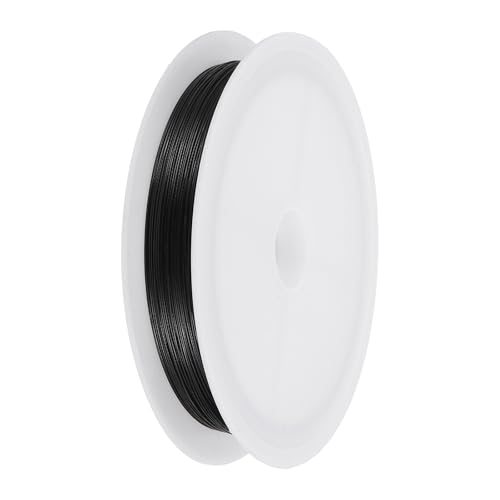 3 sizes and colours
$8.19to $8.49
Stainless Steel Nylon Coated, Bead Cord Stringing Wire
4.3 15 notesLow on the shelf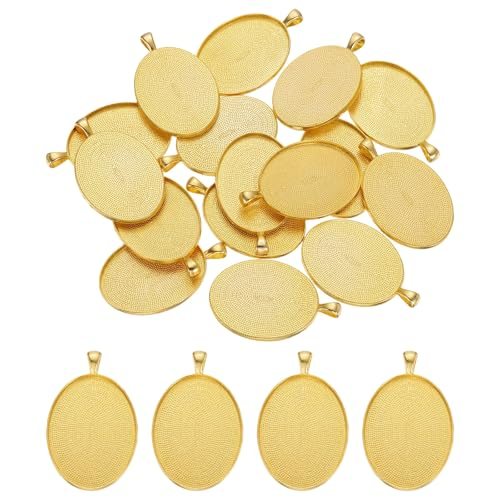 19 sizes and colours
$8.99to $15.49
Blank Pendants Zinc Alloy Oval Bezel Settings Flat Base
5.0 15 notesOn the shelf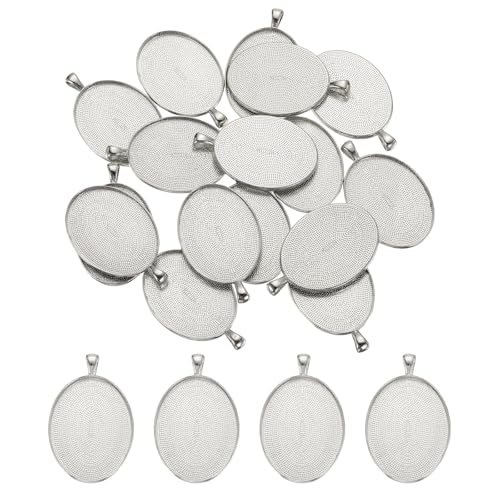 9 sizes and colours
$8.99to $14.99
Pendant Trays for Jewelry Making 30 x 40mm White Gold Tone
5.0 15 notesOn the shelf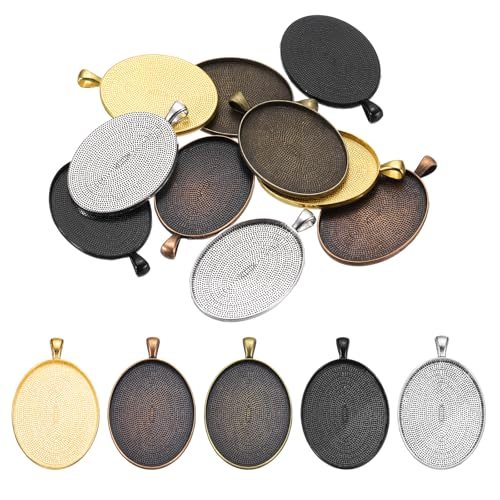
$8.99
Pendant Trays Dark Silver/Gold Colors/Bronze/Copper/Black
5.0 15 notesOn the shelf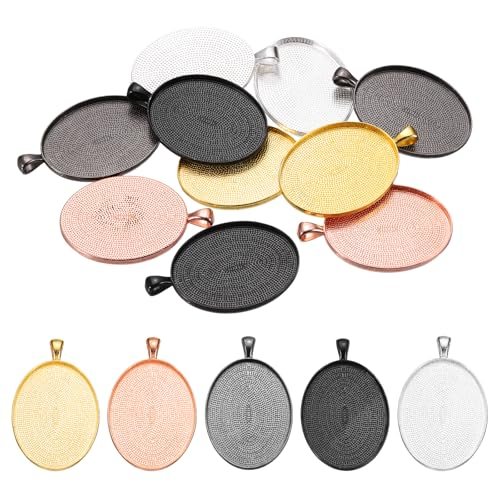
$9.49
Pendant Trays Silver/Gold/Rose Gold/Grey/Black
5.0 15 notesOn the shelf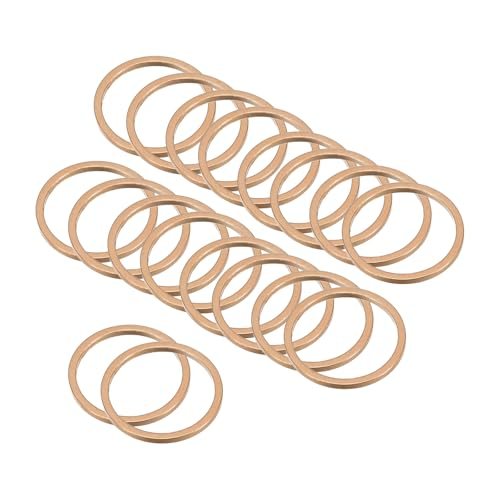
$8.49
Beading Hoop Earrings, 60 Pcs Round Beading Findings Copper Hoop Earring
3.5 14 notesLow on the shelf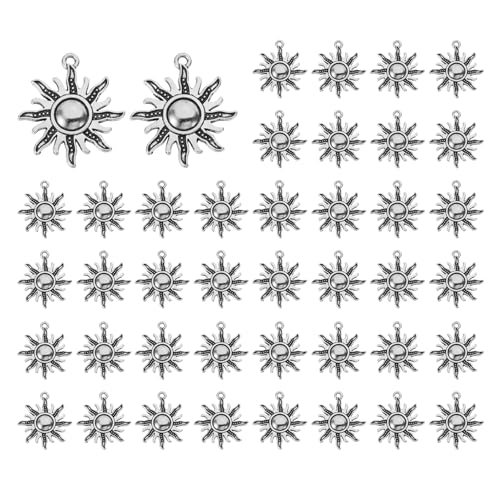
$12.99to $13.99
Sun Charm, 50 Pcs Alloy Vintage Pendant
4.8 13 notesOn the shelf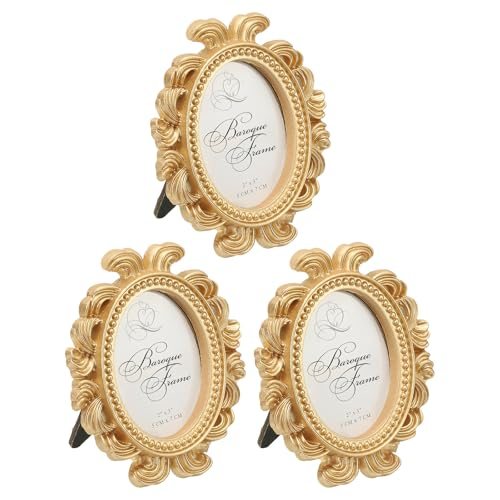 9 sizes and colours
$15.69to $27.59
Small Baroque Decor
3.4 13 notesLow on the shelf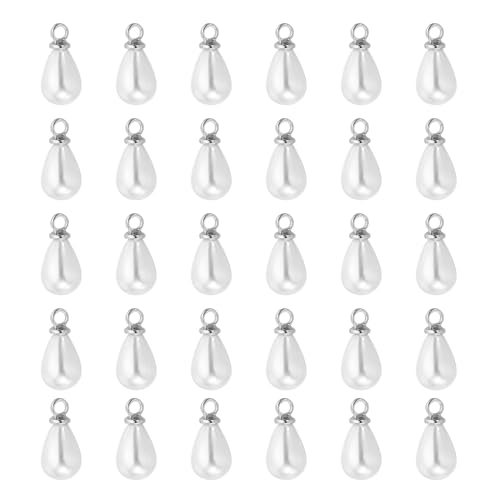
$11.79
8x6mm Pearl Charm, 100Pcs Pearl Beads Teardrop Faux Pearl Pendant Charm
4.7 12 notesOn the shelf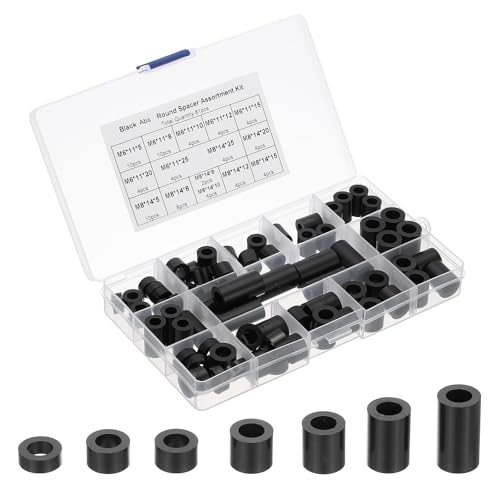
$13.09
M6 M8 Nylon Spacer, 81Pcs Round Spacer Standoff Non-Threaded Assortment
4.9 12 notesOn the shelf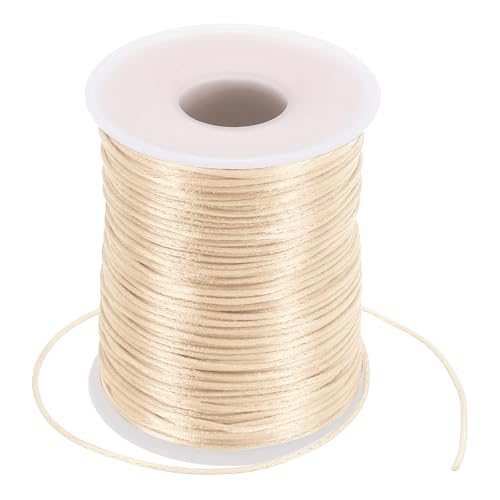
$13.59
1.5mm x 109 Yard Nylon Satin Cord, Nylon Beading String Knotting Cord
4.6 12 notesLow on the shelf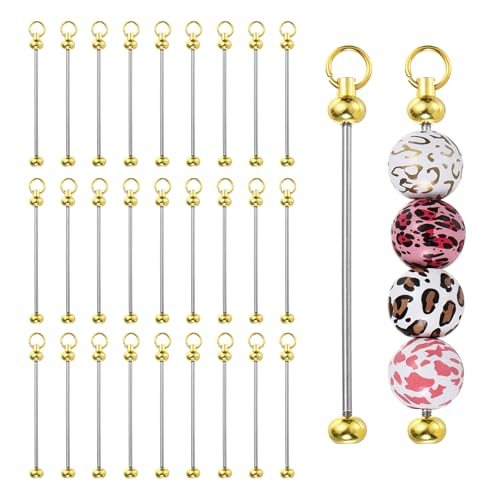
$14.59
Beadable Keychain Bar Blanks Beaded Bulk Key Chain Rod, Gold, Bulk Making
3.9 12 notesOn the shelf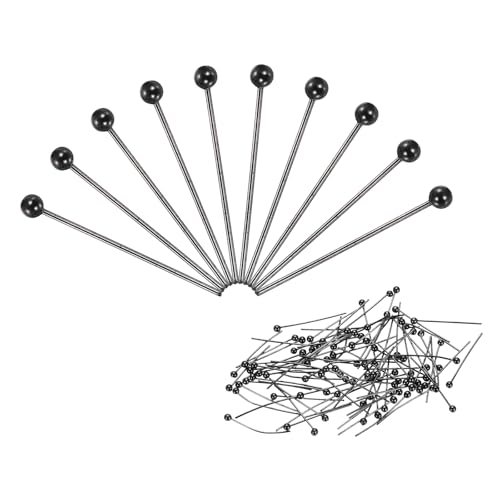
$6.09to $7.59
Matte Black Ball Head Pins 24 Gauge 18mm Wire Brass, Round Ball Metal End
3.9 11 notesLow on the shelf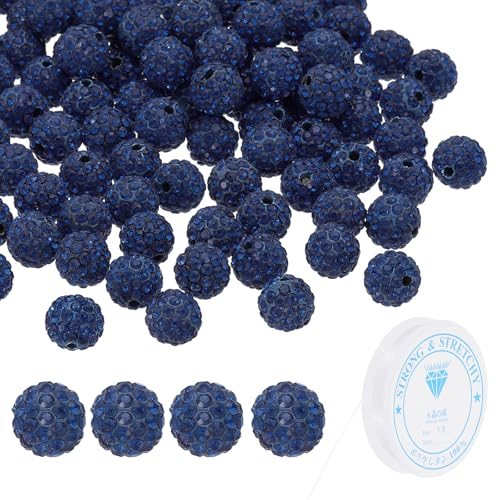
$9.99
10mm Rhinestone Clay Beads
3.1 11 notesOn the shelf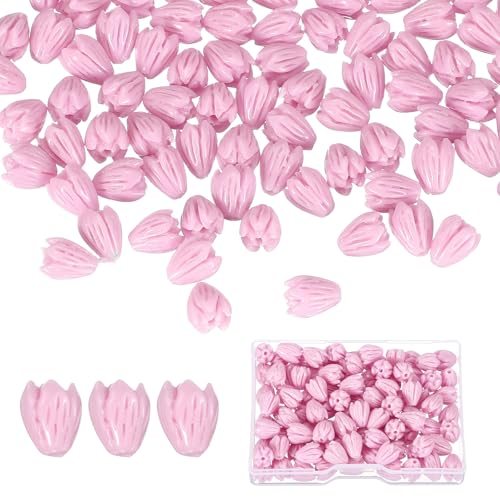 35 sizes and colours
$11.89to $20.99
Artificial Jasmine Flower, Coral Shell Powder
4.0 11 notesLow on the shelf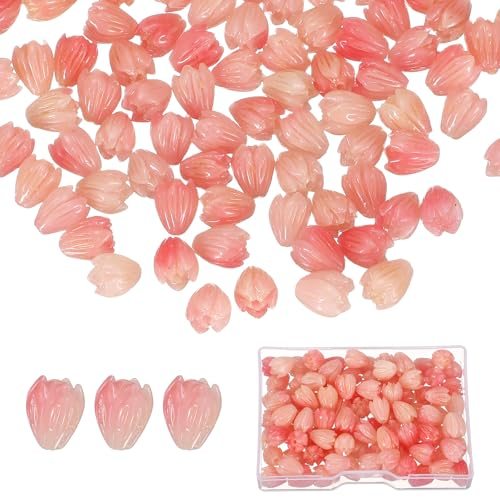 9 sizes and colours
$13.99to $20.99
Coral Flower Beads 9x6mm Floral Spacer Beads
4.0 11 notesLow on the shelf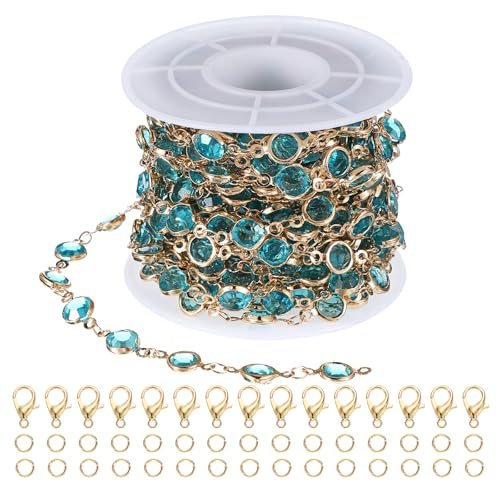
$17.89
Copper Jewelry Chain, 16Ft 6mm Lake Blue Rhinestone Beads Link Cable
4.2 11 notesOn the shelf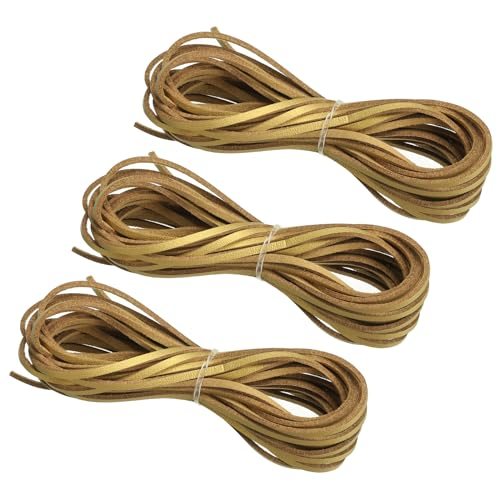
$8.59
Faux Suede Leather Cord, 3 Rolls 3mm x 5.5 Yards Flat Synthetic Leather
3.9 10 notesLow on the shelf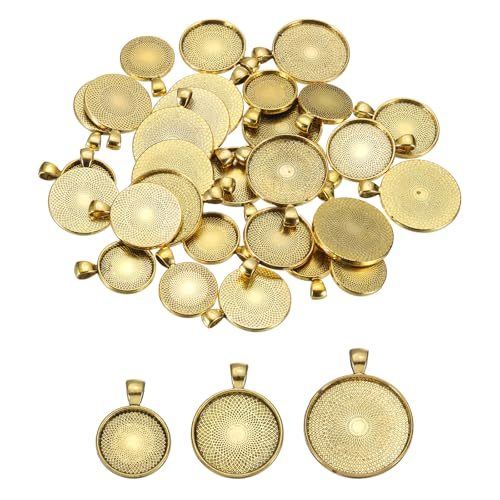 7 sizes and colours
$13.29to $14.49
Blank Pendants Zinc Alloy Round Bezel Settings Flat Base
4.3 10 notesOn the shelf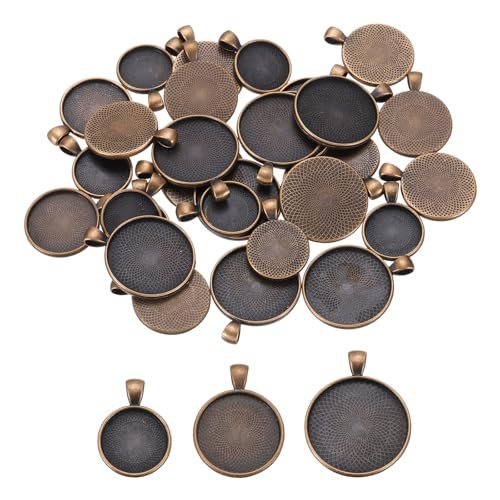 3 sizes and colours
$13.29to $13.99
Pendant Trays for Jewelry Making 20/25/30mm Copper Tone
4.3 10 notesOn the shelf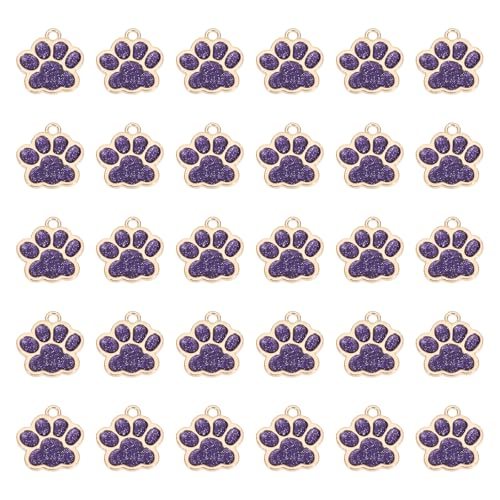
$13.29
Enamel Paw Print Charms, 50Pcs Dog Cat Paw Charms, Gold Tone/Purple
4.5 10 notesOn the shelf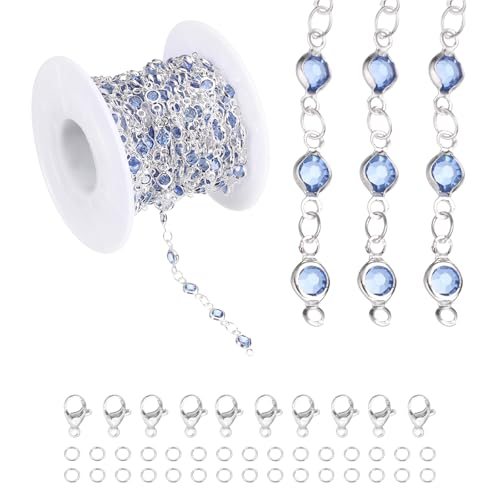
$17.19
16.4Ft Rhinestone Chain Roll
4.3 10 notesOn the shelf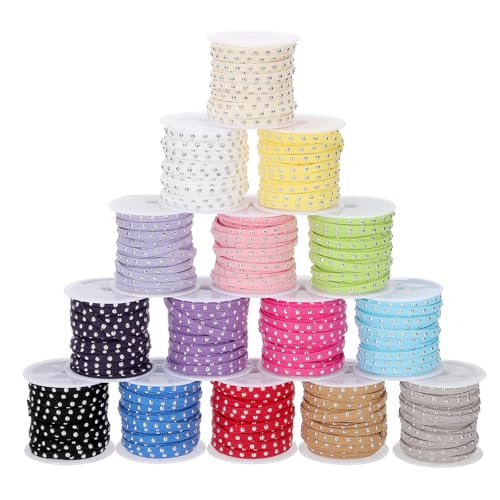
$31.99
Studded Faux Suede Cord Rope
5.0 10 notesLow on the shelf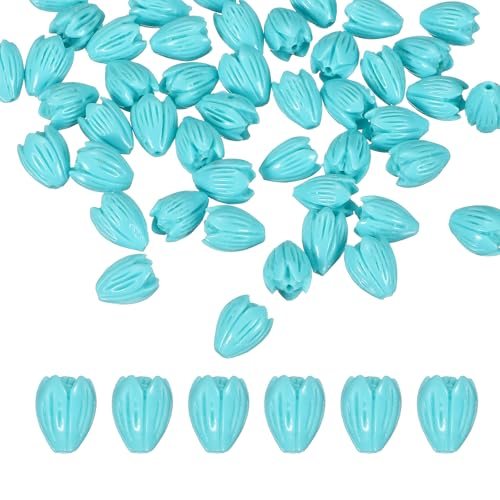 17 sizes and colours
$6.17to $13.09
Coral Flower Beads 11x8mm Shell Floral Spacer Beads
4.9 9 notesLow on the shelf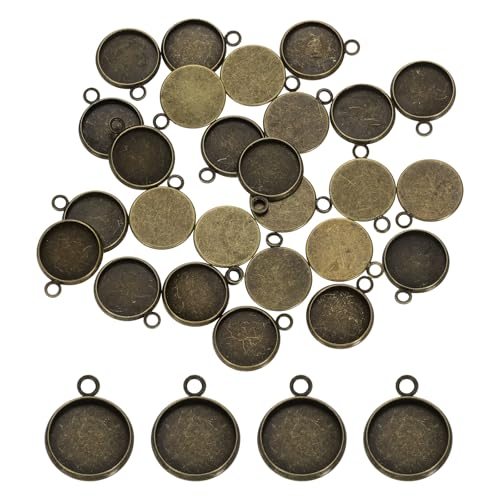 23 sizes and colours
$7.99to $13.49
Blank Pendants Iron Single-hanging Bezel Settings Flat Base
4.4 9 notesOn the shelf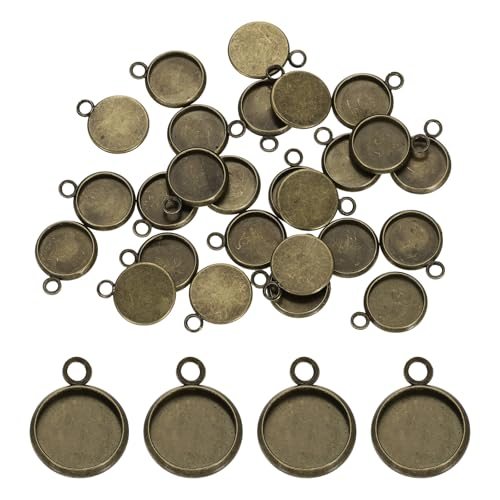 3 sizes and colours
$7.99to $8.99
Pendant Trays for Jewelry Making 10mm Bronze Tone
4.4 9 notesOn the shelf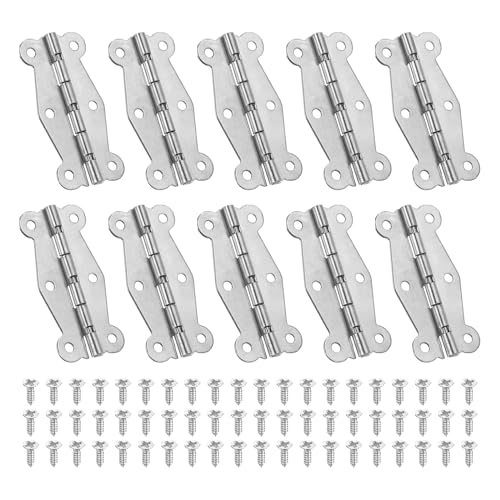
$8.09
Small Vintage Antique Box Hinges, 2 Inch, 10 Pack
3.8 9 notesLow on the shelf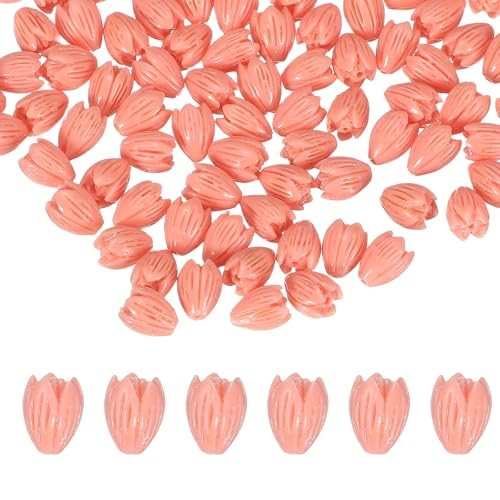 17 sizes and colours
$8.54to $12.99
Coral Flower Beads 11x8mm Shell Floral Spacer Beads, Artificial Jasmine
4.9 9 notesLow on the shelf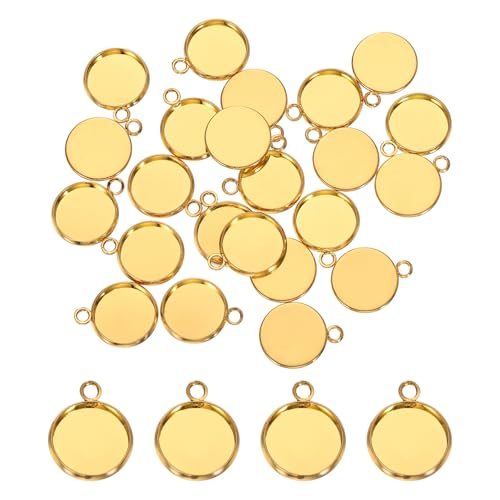
$12.99
Pendant Trays 10/12/14/16/20mm Gold Tone
4.4 9 notesOn the shelf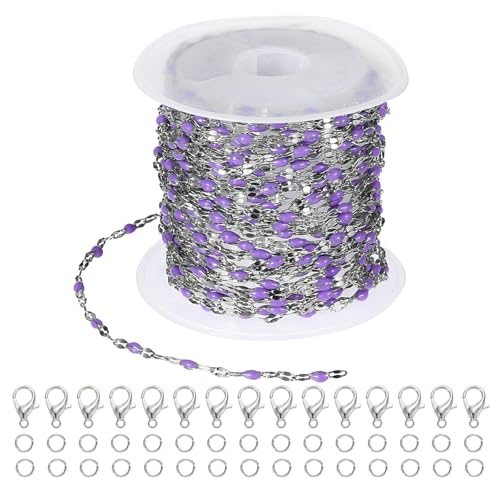
$15.89
Stainless Steel Jewelry Chain 16Ft 2mm Purple Enamel Link Cable, Chains
4.2 9 notesLow on the shelf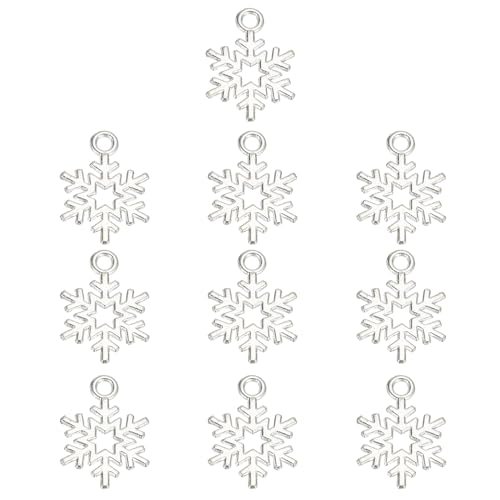
$4.69
Jewelry Making Charm Bulk, 10 Pcs Alloy Snowflake Pendants DIY
4.5 8 notesOn the shelf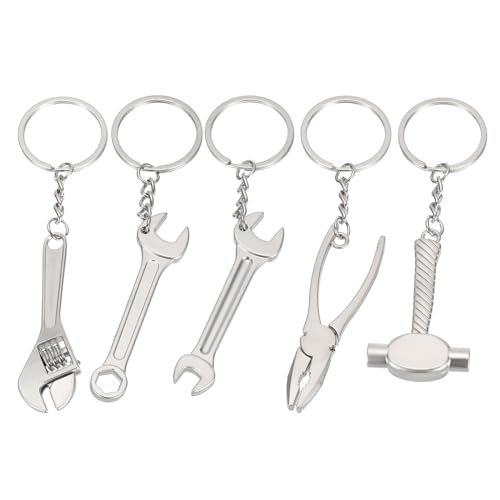
$8.24
Mini Hand Tools Keychain, 5 Pack Metal Hardware Wrench Tool Keyring DIY
4.5 8 notesLow on the shelf
$8.69
Snowflake Charm for Jewelry Making 100Pcs(Bright Silver), Alloy Winter
3.7 8 notesOn the shelf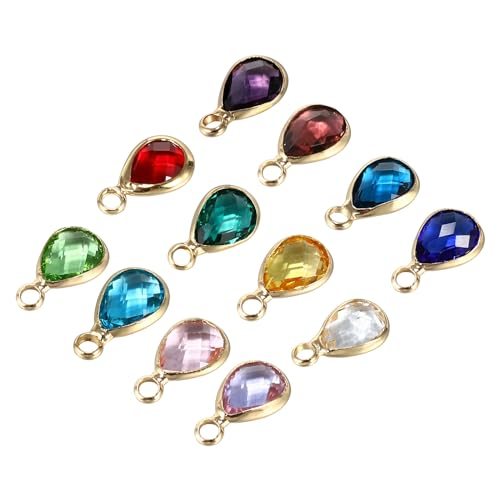
$8.79
Birthstone Charm Beads Drop Pendant, 12Pcs Crystal Handmade Birthstone
4.4 8 notesOn the shelf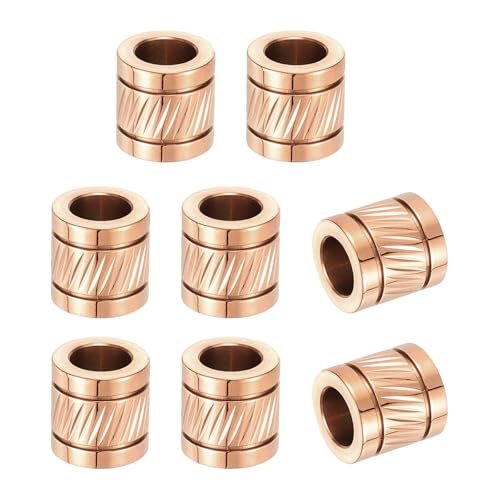 11 sizes and colours
$9.99to $13.99
Stainless Steel Big Hole Paracord Column Beads 8pcs, Grooved Tube Loose
5.0 8 notesLow on the shelf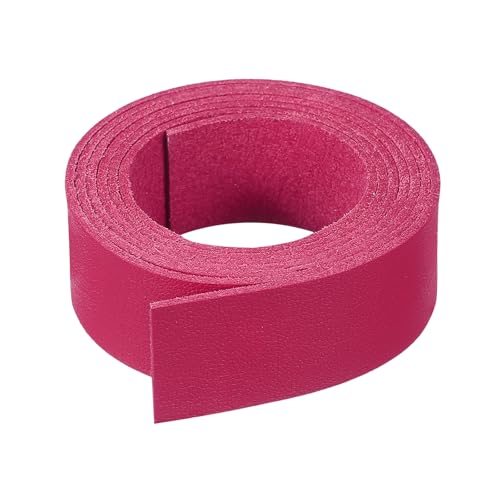
$10.29
0.8x39" Flat Suede Leather Lace 20mm Faux Leather Strap Rose, Belt Strips
4.5 8 notesLow on the shelf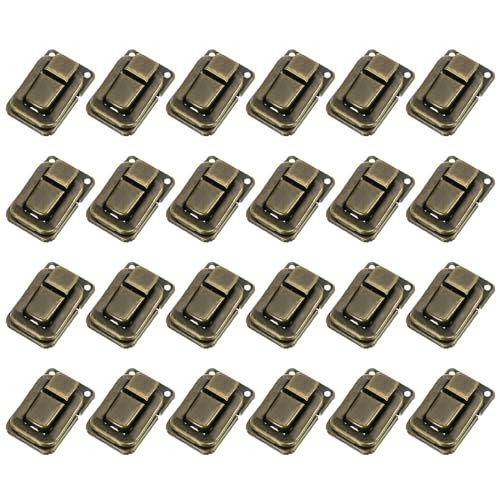 3 sizes and colours
$10.39to $14.99
Toggle Catch Lock 1.4" x 0.9", 24 Pack Metal Buckle Hasp Lock Latch Clasp
3.2 8 notesLow on the shelf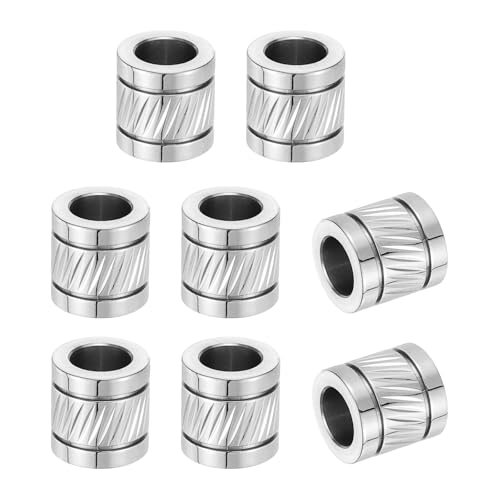 4 sizes and colours
$11.99to $13.99
Stainless Steel Big Hole Paracord Column Beads 8pcs
5.0 8 notesLow on the shelf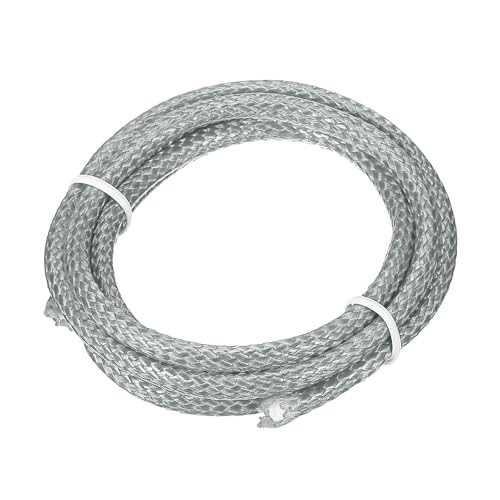
$4.74
0.2"x39" Round Braided Leather Cord 5mm Beading String Rope, Light Grey
3.8 7 notesLow on the shelf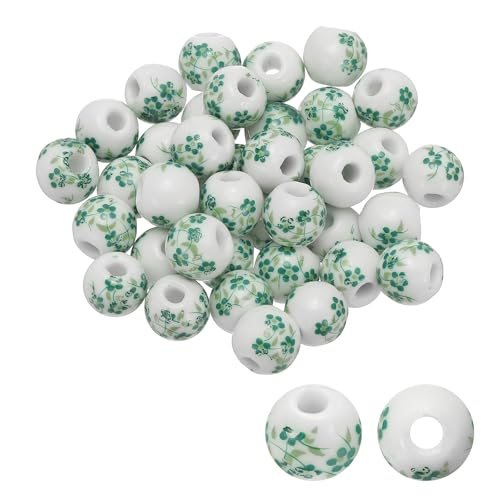
$7.59
Ceramic Beads for Jewelry Making, 10mm Flower Green Floral, Round
4.7 7 notesLow on the shelf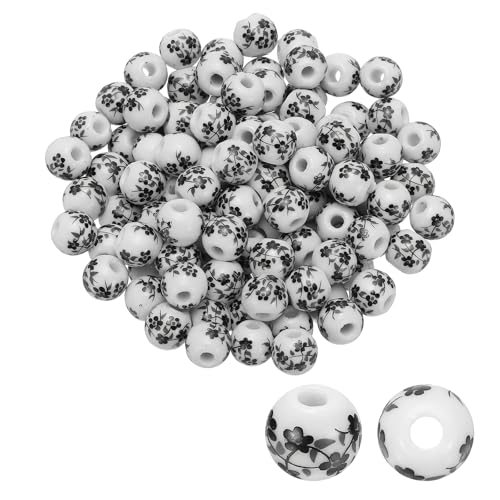
$12.99
Ceramic Beads for Jewelry Making, 10mm Flower Black Floral, Round
4.7 7 notesOn the shelf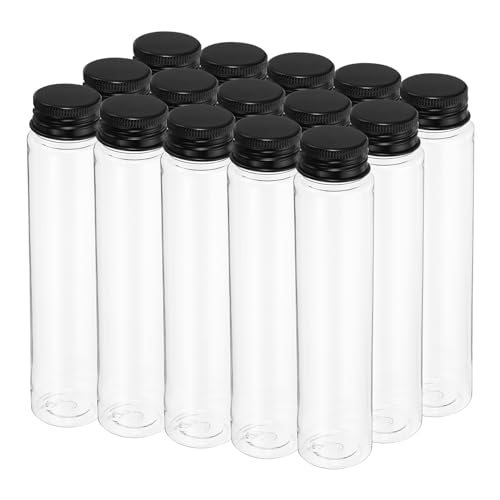
$20.99
110ml Plastic Test Tubes
4.7 7 notesLow on the shelf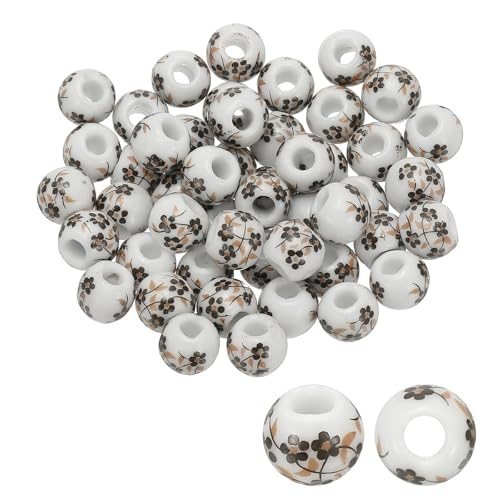
$7.29
Ceramic Beads for Jewelry Making, 8mm Flower Coffee Orchid, Round
4.6 5 notesLow on the shelf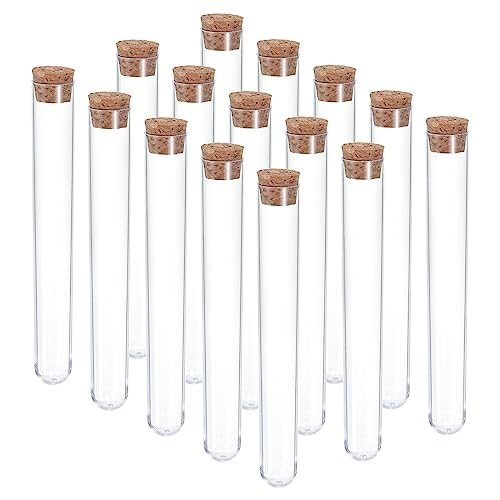
$15.99
30ml Plastic Test Tubes
3.9 5 notesBack shortly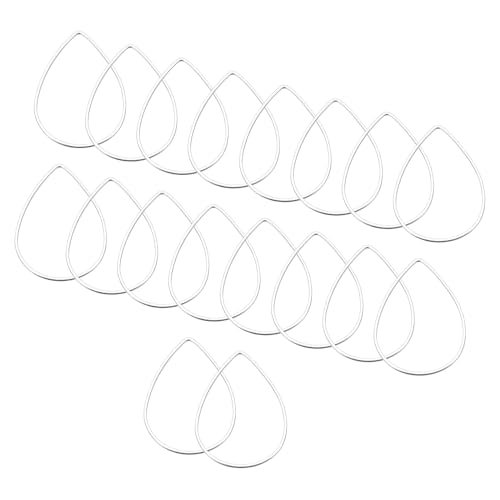
$7.64
Beading Hoop Earrings, 30 Pcs Teardrop Beading Findings Copper Hoop
5.0 4 notesLow on the shelf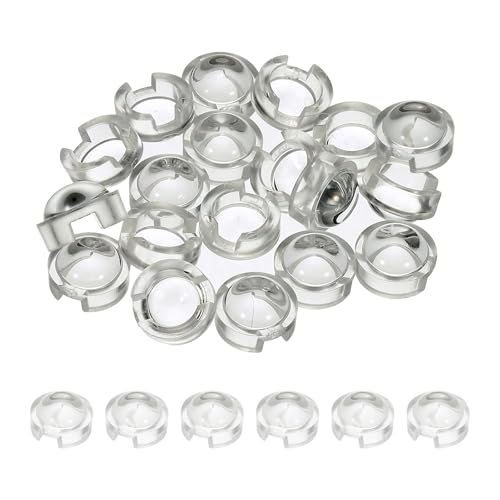 6 sizes and colours
$9.99
12mm LED Convex Lens, Transparent
4.1 4 notesLow on the shelf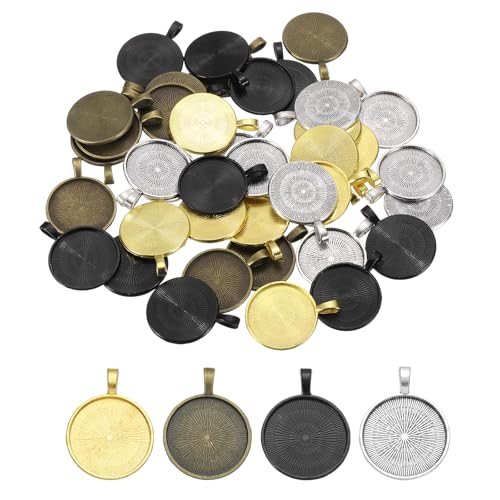 8 sizes and colours
$13.99to $14.99
Zinc Alloy Round Bezel Settings Flat Base Blank Pendants
5.0 4 notesOn the shelf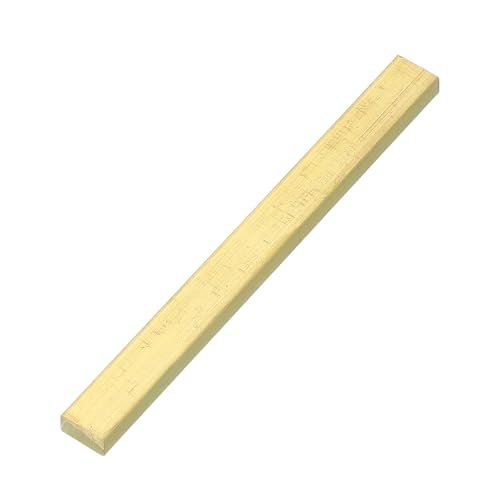 17 sizes and colours
$5.49to $19.29
Sheet Tubing Strip Crafting Jewelry Plating Repairing Science Class
4.7 3 notesLow on the shelf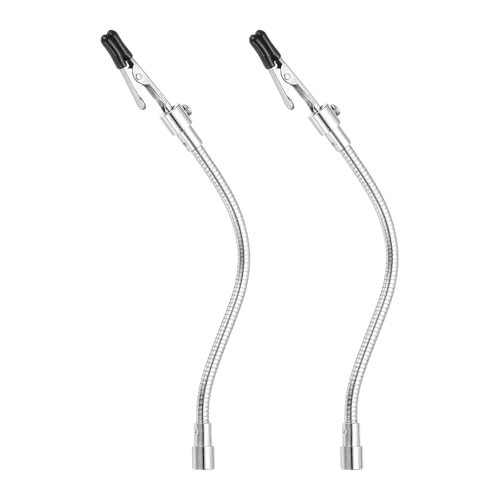
$8.39to $14.59
Helping Hands Soldering Clamp, 8.3inch Magnetic Gooseneck Metal Arms
2.6 3 notesLow on the shelf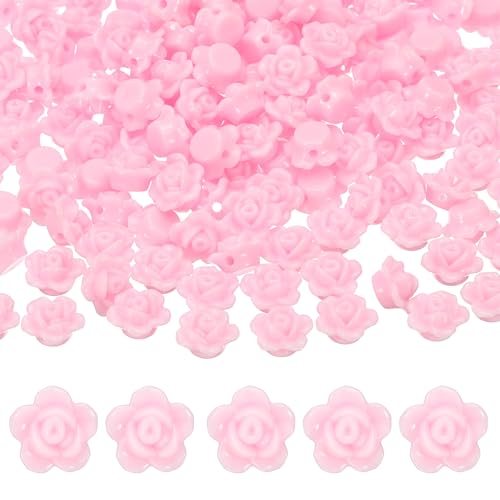
$8.99to $9.99
Acrylic Rose Flower Beads Flat Back Light Pink
4.7 3 notesLow on the shelf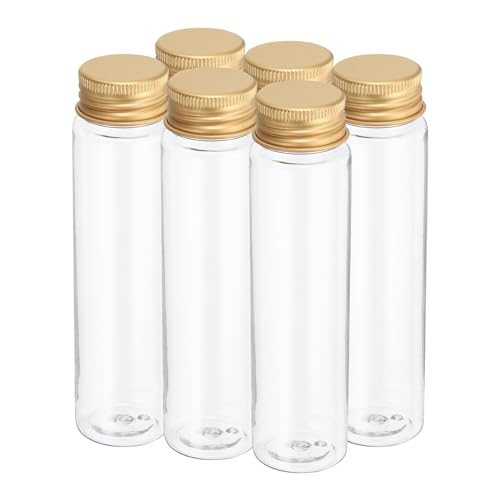
$9.99
80ml Plastic Test Tubes
4.0 3 notesOn the shelf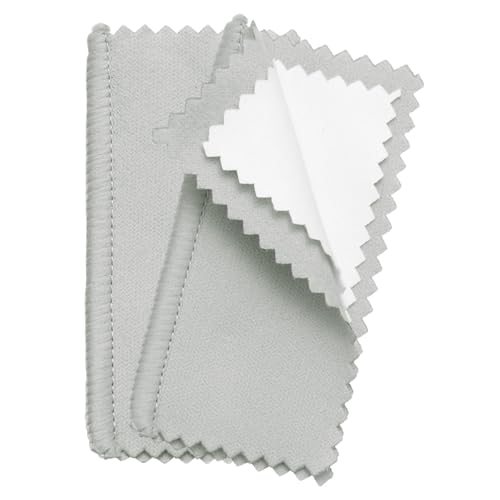 49 sizes and colours
$4.79to $8.49
3.2"x3.2" Jewelry Cleaning Cloth
5.0 2 notesLow on the shelf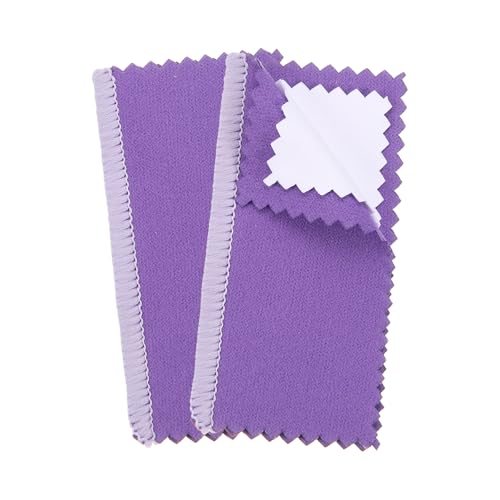 14 sizes and colours
$5.52to $8.49
Double-Sided Fleece Polishing Cloth
5.0 2 notesLow on the shelf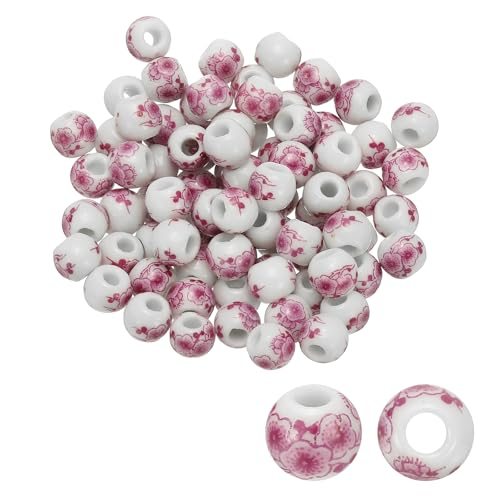
$6.49
Ceramic Beads for Jewelry Making 8mm Rose Red Plum Blossom 80Pcs, Flower
5.0 2 notesLow on the shelf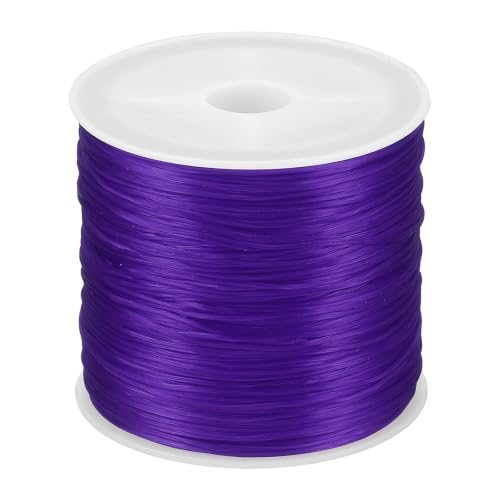 3 sizes and colours
$7.49to $8.49
Flat Elastic Beading String, Thin Stretch Bracelet Thread
5.0 2 notesLow on the shelf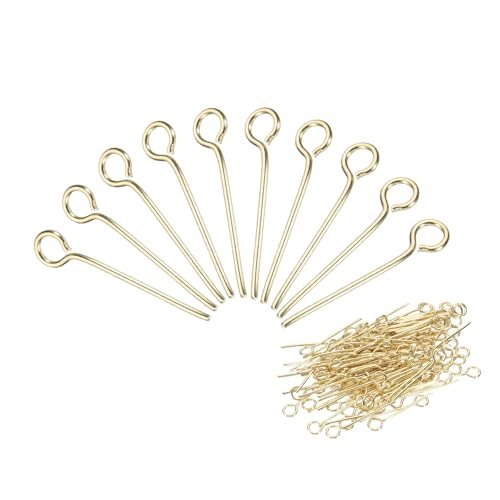
$9.69
Stainless Steel Eye Pins 0.6mm/24 Gauge 16mm, Gold, Earring Flat Headpins
5.0 2 notesLow on the shelf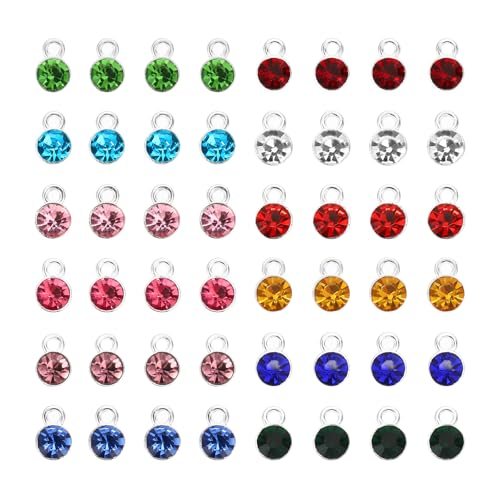
$9.99
Jewelry Making Charm Birthstone Pendants
5.0 2 notesOn the shelf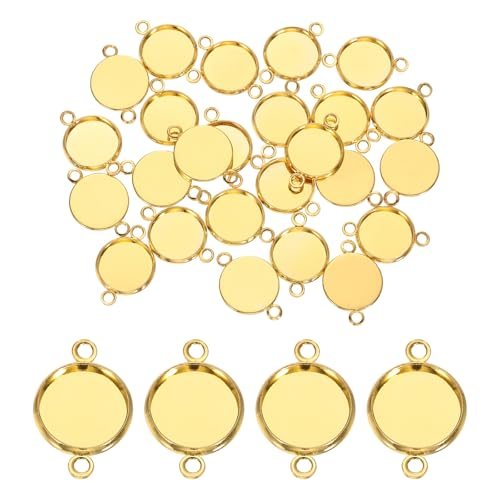
$9.99
Pendant Trays for Jewelry Making 12mm Gold Tone, Blank Pendants Iron
4.0 2 notesOn the shelf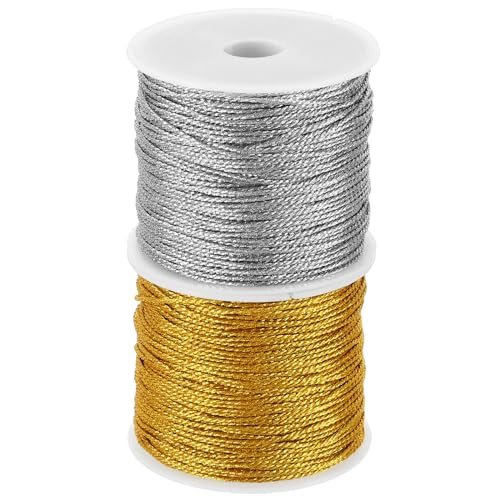
$10.09
Total 44yard Metallic Cord Set, 2Rolls 0.8mm Dia Tinsel Ornament String
4.5 2 notesLow on the shelf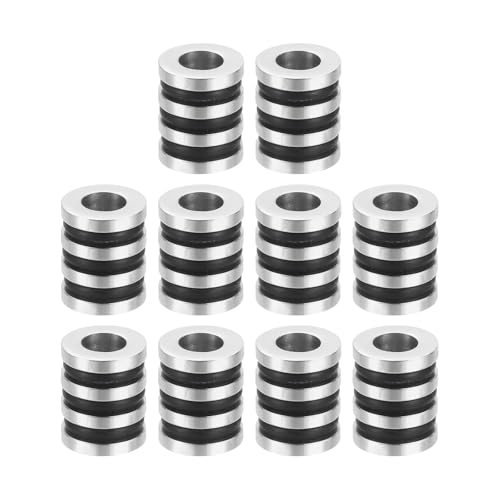 5 sizes and colours
$11.99to $14.99
Column Beads Grooved Tube Loose Column Spacer Beads
5.0 2 notesLow on the shelf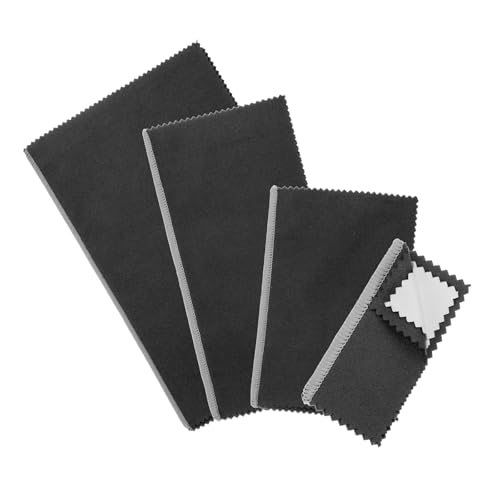 5 sizes and colours
$6.17to $8.54
Jewelry Cleaning Cloth Set 4 Sizes Double-Sided Fleece Black
5.0 1 notesLow on the shelf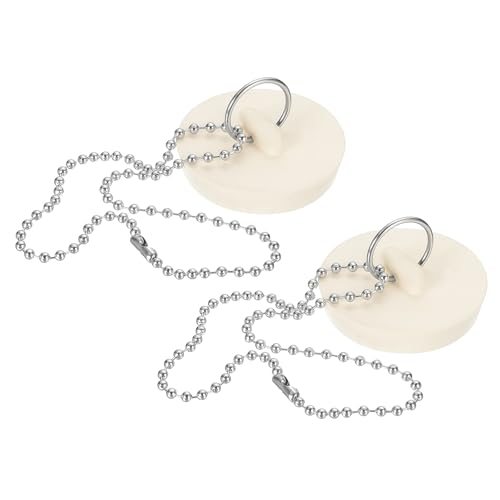 3 sizes and colours
$6.30to $9.69
with Pull Ring Stainless Steel Beaded Chain
5.0 1 notesLow on the shelf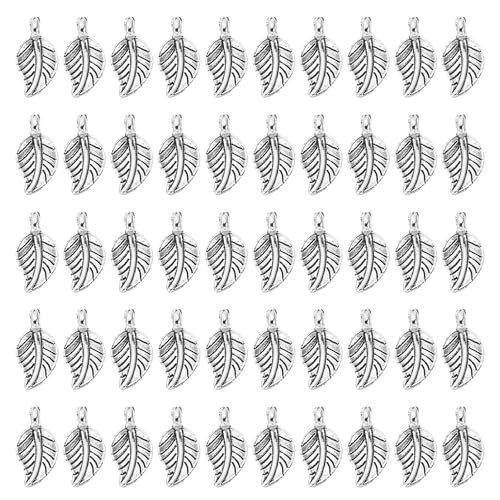
$6.89
Leaf Pendants, 50 Pack Alloy Tree Leaf Beads Bulk Leaves Charm
5.0 1 notesOn the shelf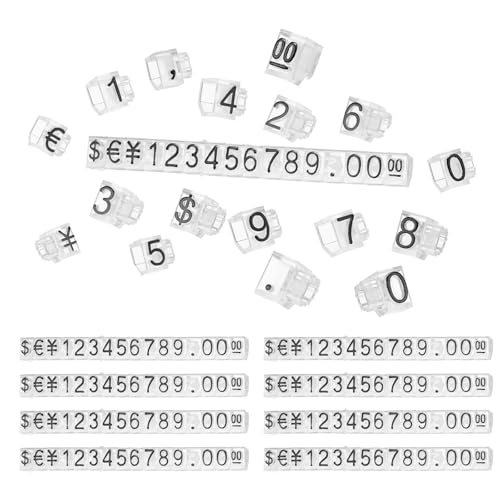
$7.19to $8.19
2x0.2" Price Tag Cube 10Set Plastic Adjustable Counter Stand Label
1.0 1 notesLow on the shelf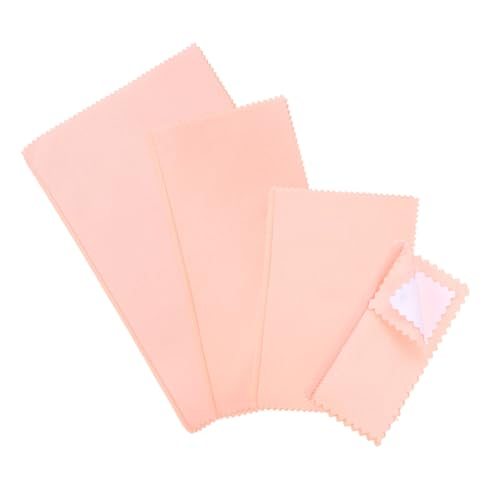 4 sizes and colours
$8.54
Polishing Cloth Tarnish Remover
5.0 1 notesLow on the shelf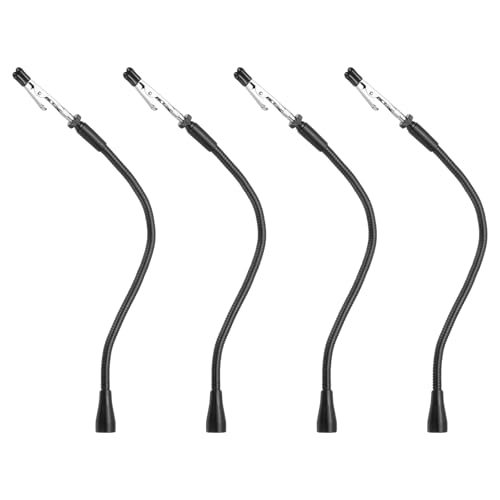
$11.99
Helping Hands Soldering Clamp, 12.5inch Magnetic Gooseneck Metal Arms
2.0 1 notesLow on the shelf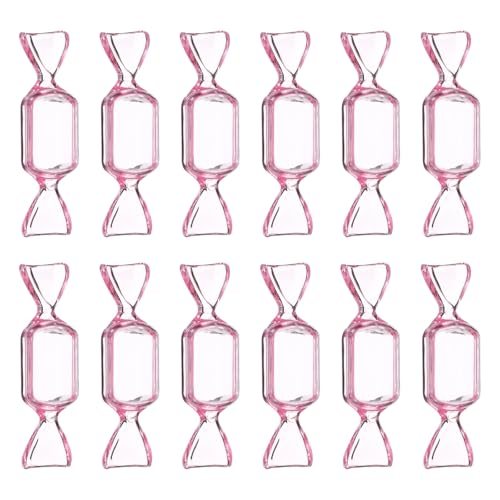
$19.99
Candy Shaped Jewelry Box Mini Plastic Jewelry Organizer, Earrings Beads
1.0 1 notesLow on the shelf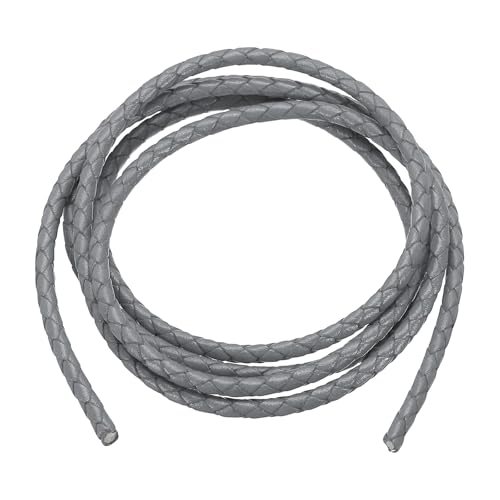
$6.28
Round Braided Leather Cord, 4mm Round Braided Leather Cord Rope Folded
Low on the shelf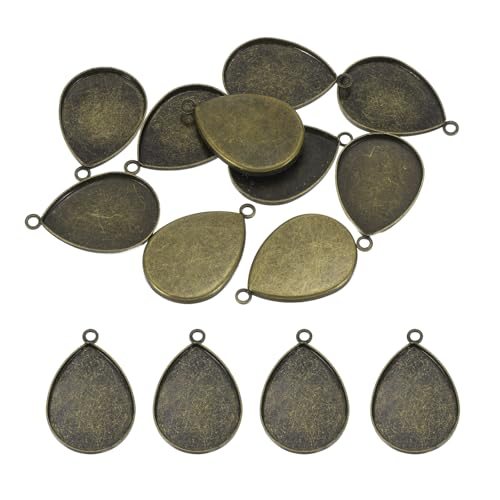 11 sizes and colours
$6.49to $7.49
Blank Pendants Zinc Alloy Teardrop Bezel Settings Flat Base
5.0On the shelf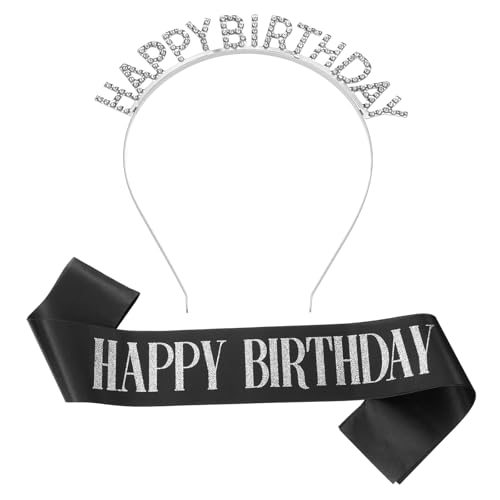 6 sizes and colours
$6.64to $12.99
Birthday Crown and Sash, Glitter Birthday Sash
4.6Low on the shelf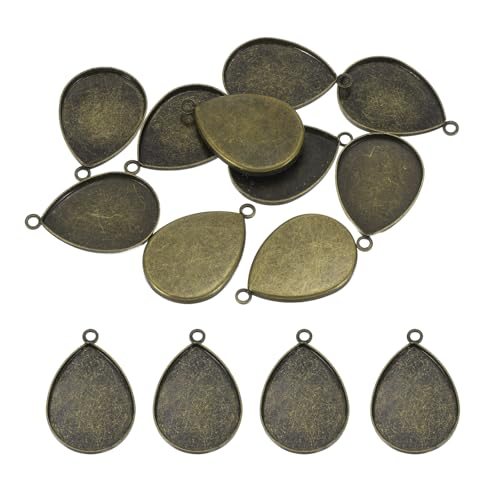
$6.99
Pendant Trays for Jewelry Making 18x24mm Bronze Tone
4.3On the shelf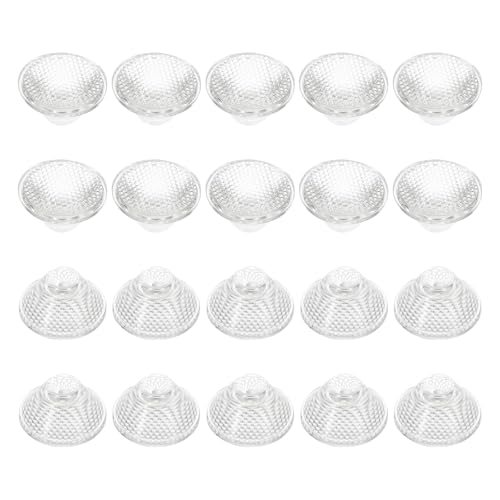 7 sizes and colours
$7.21to $9.49
60 Degree 20mm High Power LED Lens
Low on the shelf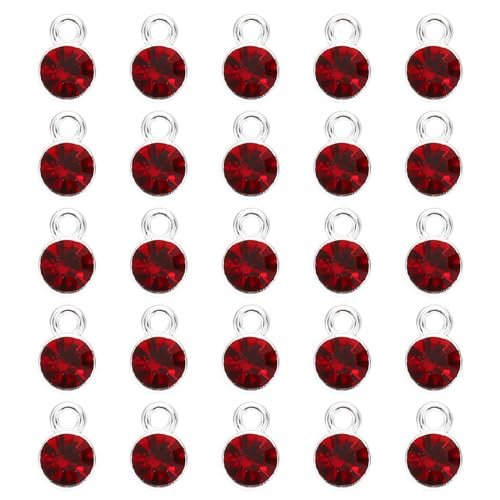
$8.19
Birthstone Charm, Birthstone Beads Crystal Bracelet Charm Pendant
On the shelf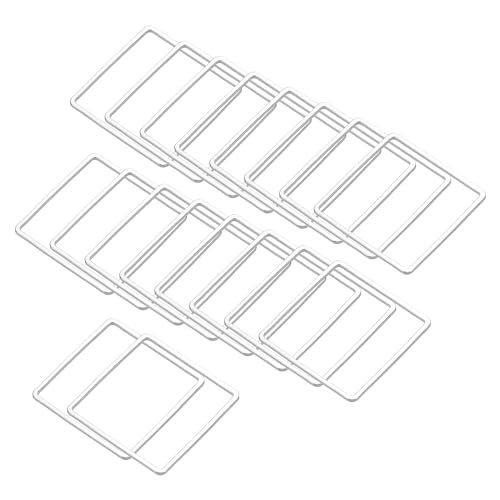
$8.89
Beading Hoop Earrings, 30 Pcs Square Beading Findings Copper Hoop Earring
4.6Back shortly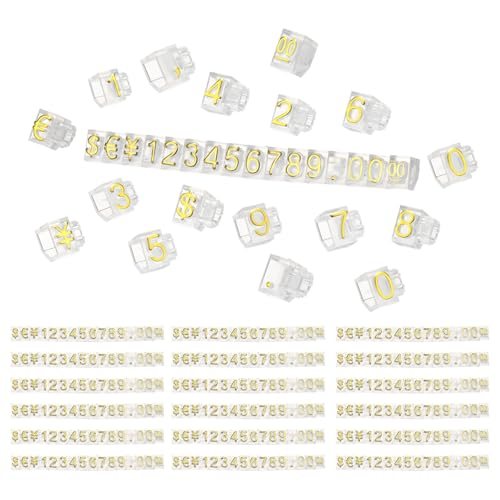 3 sizes and colours
$8.99to $12.99
Number Letter Price Block Kit
4.6Low on the shelf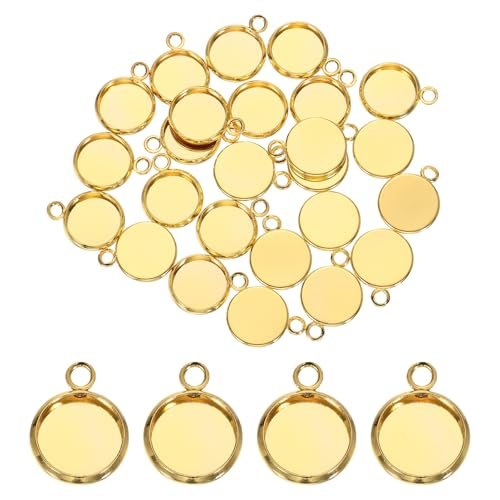
$8.99
Pendant Trays for Jewelry Making 10mm Gold Tone, Blank Pendants Iron
4.5On the shelf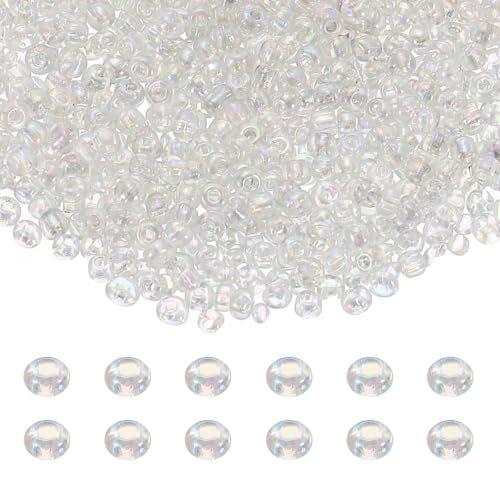
$9.49
Glass Seed Beads 2mm Loose Beads Iridescent Light Grey 4300Pcs
4.7Low on the shelf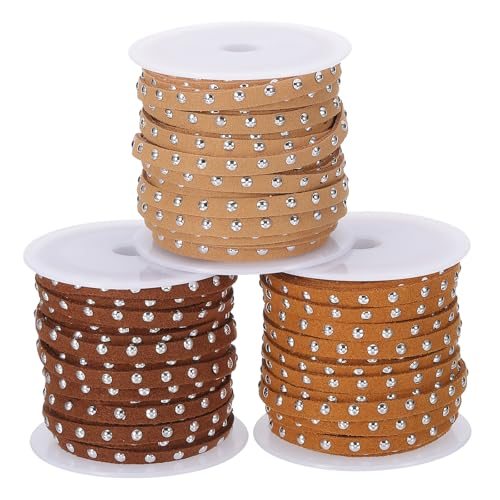 5 sizes and colours
$9.58to $14.09
50ft Studded Faux Suede Cord Rope
Low on the shelf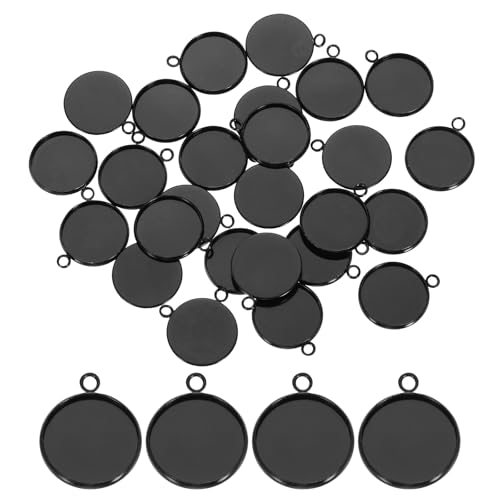
$9.99
Pendant Trays for Jewelry Making 16mm Black Tone, Blank Pendants Iron
4.4On the shelf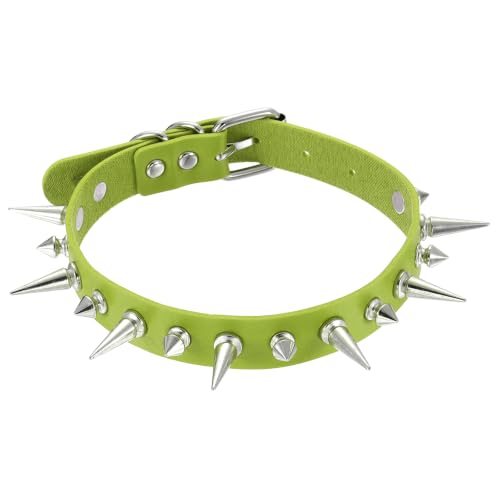
$9.99
Spiked Chokers, Adjustable Punk Gothic Necklace Green, Edgy Rock Leather
4.3On the shelf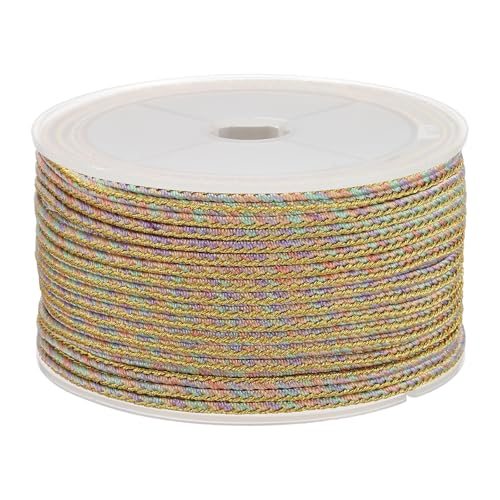
$9.99
x 2.5 mm Braided Cord, Metallic Bracelet Knotting Macrame Cord Braiding
4.7On the shelf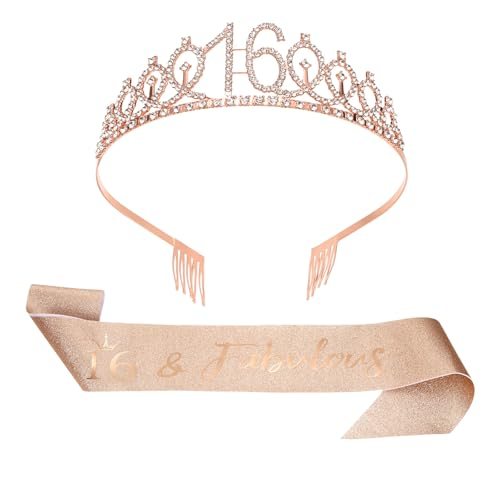 3 sizes and colours
$10.84to $15.29
Birthday Crown and Sash 16th Birthday Sash Women Rhinestone Tiara
Low on the shelf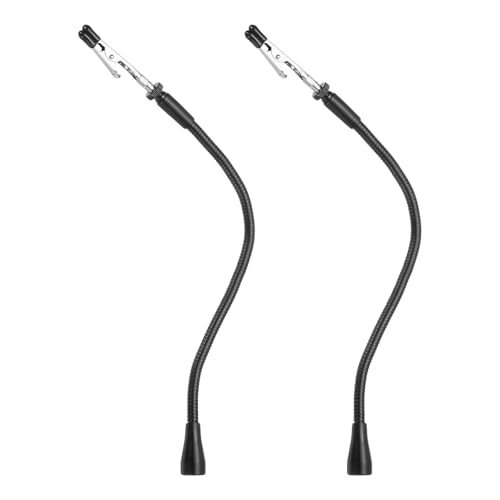
$11.69
Helping Hands Soldering Clamp 12.5" Magnetic DIY Silver/Black, Gooseneck
Low on the shelf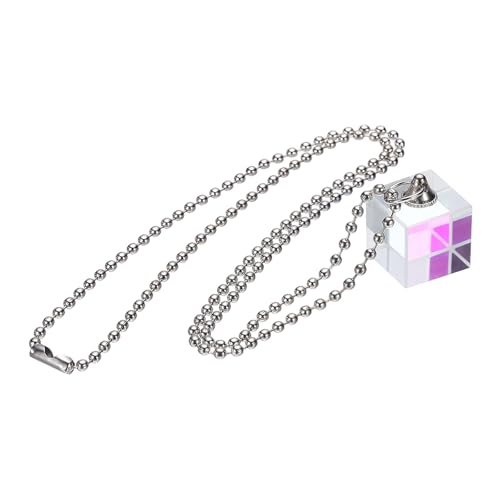
$11.99
Cube Necklace 15mm K9 Crystal Cube Prism Dispersion Prism Mini, Glass
4.5Low on the shelf 8 sizes and colours
$12.14to $22.49
Clear Window Resealable Food Storage Smell Proof Foil Pouch Bag
Low on the shelf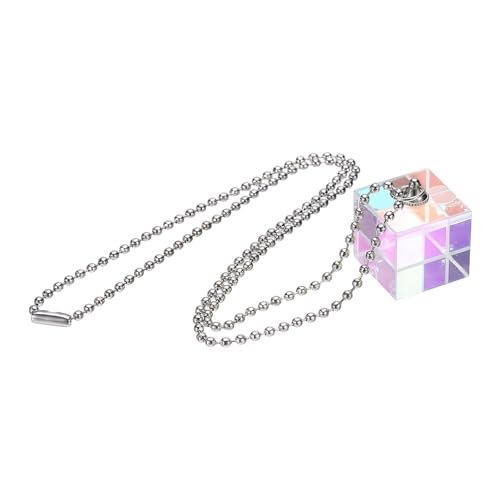 3 sizes and colours
$12.49to $14.99
Glass Figurine Demonstrating Beam Splitting
5.0Low on the shelf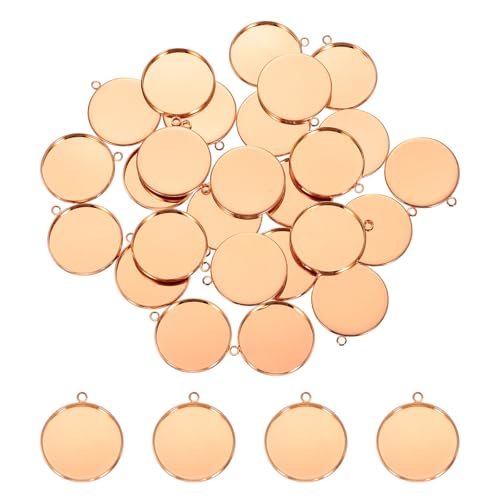
$13.49
Pendant Trays for Jewelry Making 25mm Rose Gold Tone, Blank Pendants Iron
On the shelf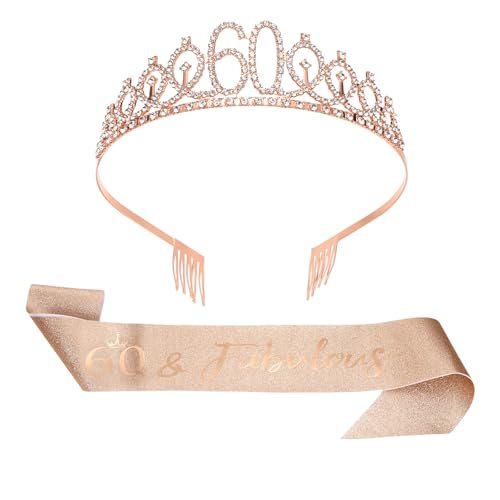
$17.49
Birthday Crown and Sash 60th Birthday Sash Women Rhinestone Tiara
Low on the shelf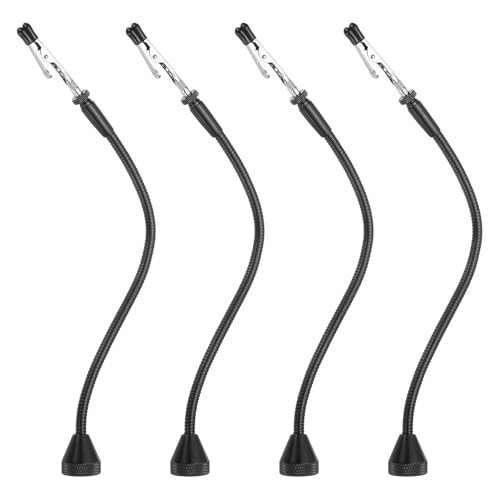
$20.89
Helping Hands Soldering Clamp, 12.5inch Magnetic Gooseneck Metal Arms
4.6Low on the shelf
Beading & jewelry making — how we pick and size them
These jewelry making supplies were specified against each other, shelf by shelf, so a basket from one bay actually assembles. The beads we make are measured at the hole as well as the body, because a bead that will not take your cord is just a very small ornament. Our porcelain beads and ceramic beads run 6mm and 8mm with a hole wide enough for waxed cotton. Glass beads, acrylic beads and resin beads cover the 4mm to 12mm range where most bracelet work lives. Metal spacer beads, heishi beads and letter beads fill in the rhythm between them. Seed beads and bugle beads sit here too, in tubes rather than bags, so the small ones stay findable.
What sits next to what
Stringing supplies are the other half of this aisle. Waxed cotton cord, nylon cord, elastic cord for stretch bracelets, leather cord and satin rattail come on spools in 0.5mm to 2mm. Beading wire is sold by gauge with the strand count printed, and craft wire comes in copper, silver plated and gold tone for wrapping. Match the cord to the bead hole first and the rest of the build gets easier — a 1mm cord through a 1.5mm hole knots cleanly, a 1mm cord through a 1mm hole will fight you for an hour.
Taking a basket home that works
Findings finish the job. Lobster clasps, toggle clasps, jump rings, head pins, eye pins, ear wires, crimp tubes and bead caps, in silver plated, gold tone, bronze and stainless — the supplies people forget to order until the last knot. We sell them in counts of 20, 50 and 100 because making one bracelet is rare; making six for gifts is normal. If you are assembling a starter kit, take beads, a cord that matches the hole, a clasp, crimps and one pair of pliers — order those supplies in one basket and that is the whole list, and everything else on this aisle is a preference rather than a requirement.
Questions we get at the beads shelf
Which cord fits a 6mm porcelain bead?
A 1mm waxed cotton or nylon cord goes through our 6mm beads with room for a knot. Elastic at 0.8mm also passes, which is what most stretch bracelets use. Measure the hole, not the bead: two beads of the same diameter can be drilled differently.
Do I need crimps if the clasp already has a jump ring?
Yes, on beading wire. The jump ring joins clasp to loop; the crimp tube is what holds the wire in that loop. On knotted cord you can skip crimps and finish with a double knot and a drop of glue from the adhesives aisle.
Why are findings sold in counts of 50 and 100?
Because almost nobody makes one bracelet. Fifty jump rings is a year of repairs for most benches, and buying the supplies once beats paying postage four times for ten.
Notes from the bench
- Matching cord to a bead hole
The one measurement that decides whether a beading project goes smoothly: bead hole size against cord thickness, with the numbers we use on our own bench.
Read the note - Sizing washers and small fasteners
Inner diameter, outer diameter, thickness and thread pitch — what each number does, and how we pick a pack when we are not certain.
Read the note - Setting up a desk that stays tidy
A practical order for choosing desk accessories — holders before gadgets, cable before light — from the people who make the holders.
Read the note